
The internet has provided great opportunities for artists to reach a mass audience so that they can sell their art and build a loyal customer base. However, I’m a bit of a traditionalist and I prefer to enjoy face-to-face interaction with my customers.
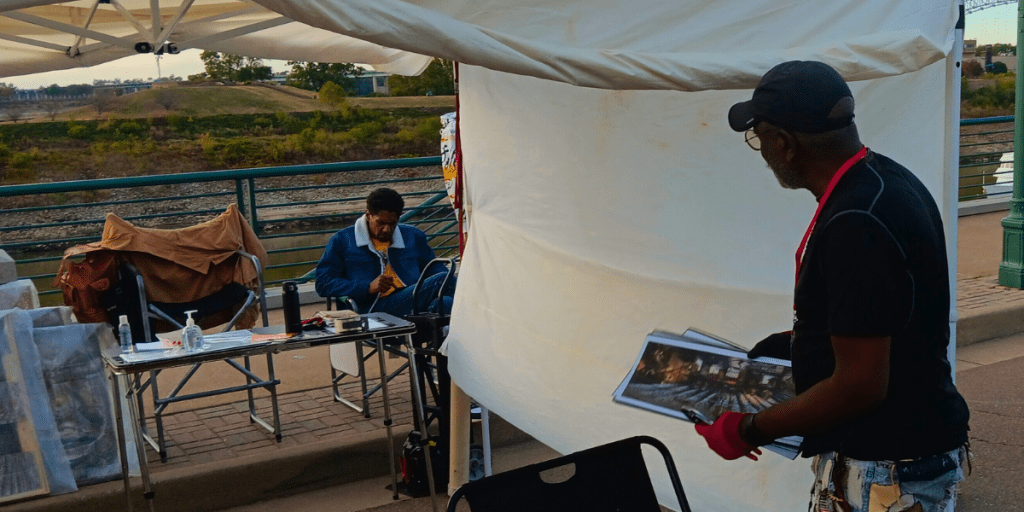
A great way to achieve this is at an arts and crafts festival. Art tells a story and my job as the author of my artwork is to attract a potential art purchaser into my booth to share that story.
Presentation is a key, and like any salesman will tell you have the first 3 seconds to make your impression count.
So, in this blog, I will discuss the options you may want to use to try to present your artwork to a crowd of passing art collectors.
But before we start, please, keep in mind that one size does not fit all, and you will have to experiment with which display works best for you and your work.
The key things you want to achieve with your artwork display:
Place one or two of your strongest art pieces in the front of the booth to attract the customer’s attention.

Use a table for your smaller work (like prints or pottery). This is a good technique to attract art collectors that may be in a lower buyer price range.

Use white walls or a light-colored backdrop to contrast your artwork to potential customers.
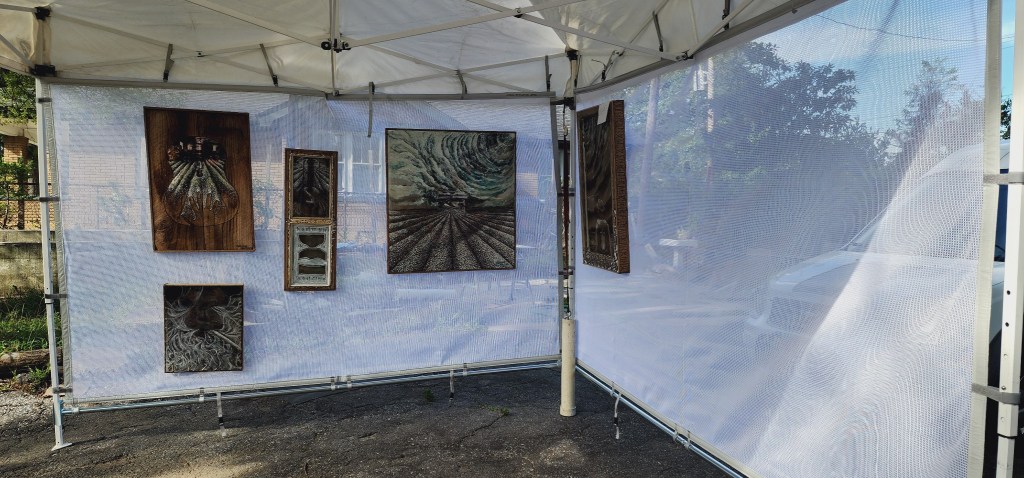

This setup is perfect for:
Framed artwork
Pottery
Clothing
Jewelry
The drawbacks are:
They are limited in versatility with shapes and sizes.
Grid wall panels may not be the best option if the size of your booth is 10 x 10 or smaller and you are planning to sell any large-size artwork.
Slatwall panels
Slatwall panels are also used for hooks, shelves, and bins, but the difference between them and grid walls is that their panels use horizontal grooves for wall arrangement to display artwork. The advantage of Slatwall panels is they are great for small spaces.
They can either be mounted on a wall, or they can stand alone.
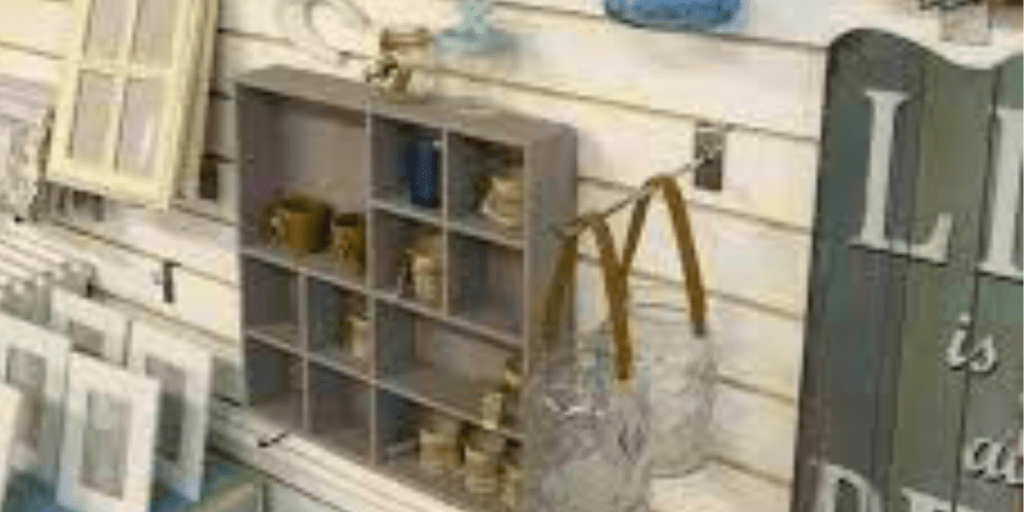
This setup is perfect for hanging:
Posters
Home décor
Metalwork
Jewelry
Ceramic
Wood art
Clothing Jewelry
The drawbacks are:
Slatwall panels are more expensive than grid wall panels.
The panels can be a bit difficult to assemble.
They tend to be heavier and require two people to help carry in transport from one location to another.
Card rack display stand
A card rack display is great for small art media, letters, and postcards. There are 2 main types:
Countertop Shelves

Floor Standing Spinner pockets
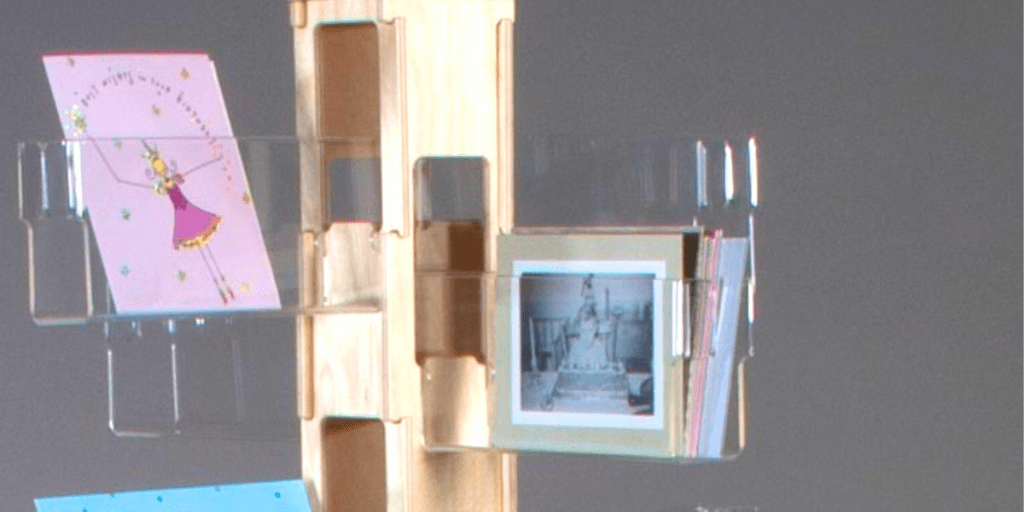
The set-up is perfect for hanging:
Small prints
Letters
Cards
Small jewelry
The drawbacks are:
Card decks hold smaller items, so they don’t catch the eye of many passing customers.
They do not do well if you like to create medium to large-scale artwork.
If you use this set up exclusively, potential customers do not feel obligated to spend a lot of money at your booth because smaller units should sell for less, typically.
Chain art display
A chain art display allows you to hang your work in front or inside of your booth. I found this to be very appealing to people passing through because your work is hanging at or above eye level. It is almost like having a small billboard advertising a line of merchandise coming out for the holidays. And trust me, people will notice!

The set-up is perfect for hanging:
Framed artwork
Jewelry
The drawbacks are:
There is a limited amount of space you must hang your work, and your area will become cluttered. I try not to hang no more than two.
Not recommended to use chains in inclement weather because there is a risk of the artwork falling and the item may break or be damaged.
Art on picture ledges
Art on picture ledges works well as a backdrop in your shop. You can use this display to liven up your art booth and give it a more personal appeal.
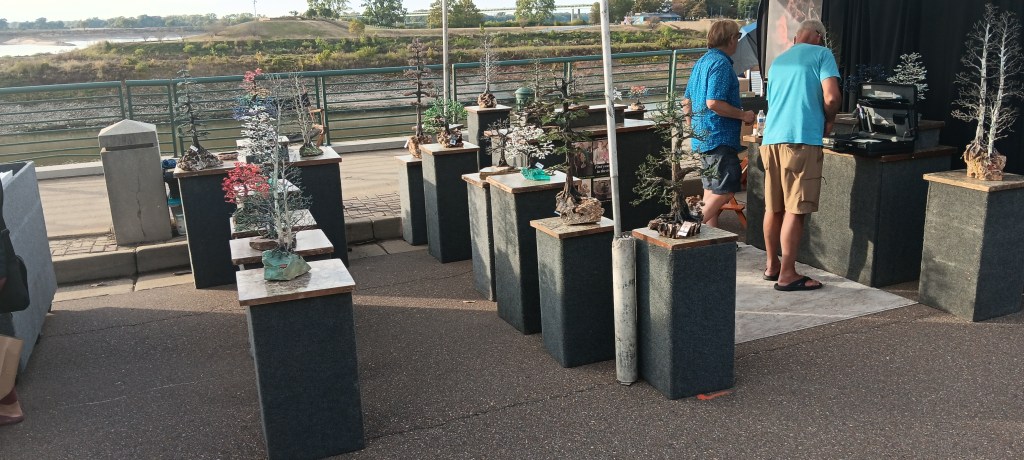
The set-up is perfect for hanging:
Pottery
Metalwork
Sculpture
Ceramics
Purses
The drawbacks are:
This display takes up space and limits movement inside of your booth.
Do not use this set up during inclement weather. Your artwork could topple over and break.
Use boxes or crates
This retro look never gets old. This display allows potential customers to cover more of your work such as cards or prints. Also, boxes or crates allow you to maximize your art display without taking up space.
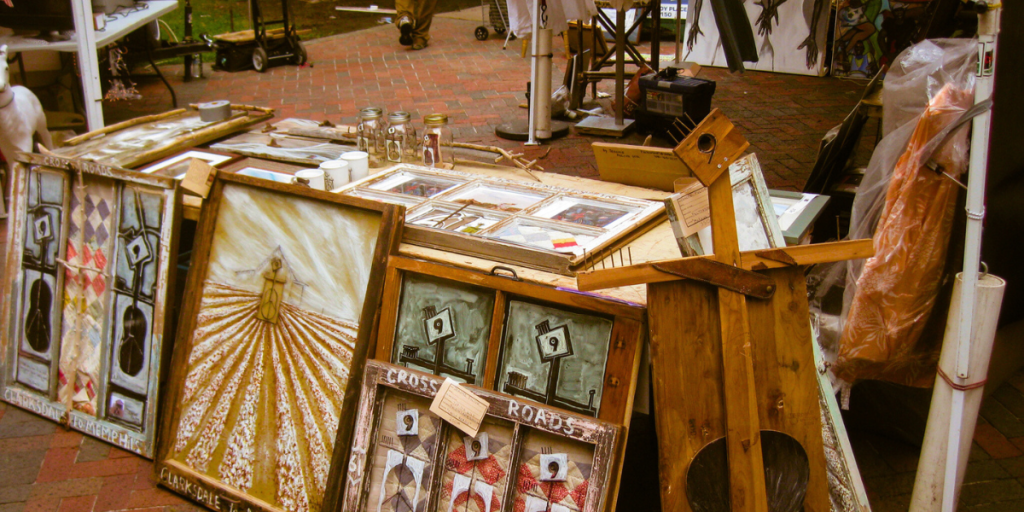
The set-up is perfect for hanging:
Prints
Cards
Posters
The drawbacks are:
A box or crate display may come off as a bit disorganized, so I recommend you do it moderately.
I found that only customers who are familiar with your work may take the time to toggle through your box or crate display.
These are the common displays that I have seen at most arts and crafts festivals, and I even use some of them myself.
Final thoughts
If you like to create small-media art, you may want to try a card stack.
If you are a fan of medium or large artwork, then try a metal grid panel.
You can even mix up a combination of a box set with hanging art or Slatwalls with a card rack display. There is no wrong or right way to go about it. It is about getting people to discover and follow your work.






Leave a comment