
Many notable and distinguished oil paintings have been exhibited in galleries all over the world for centuries. With that being said, no one expects you to turn into a Leonardo da Vinci, Vincent Van Gogh, or even myself (wink wink) overnight. Fortunately, oil painting is an easy craft to learn, and you can even create great work in a short amount of time.
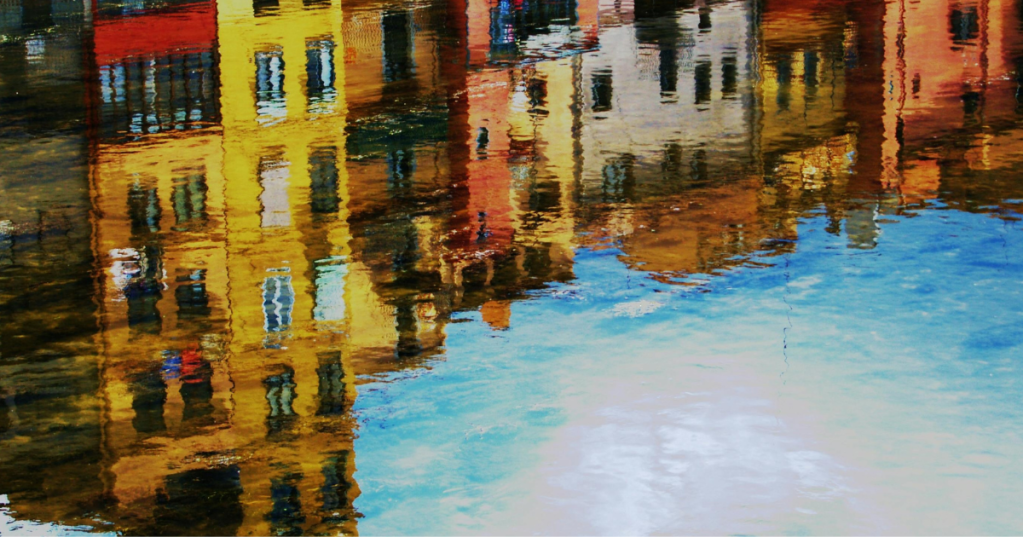
But be warned. The standard of oil-related art is very high, and the art community can be subjective and unforgiving if you don’t take your work seriously.
So in this blog, I will discuss the basic tools and techniques needed to get started.
Equipment
The requirements for oil painting shouldn’t be complicated for you or shouldn’t be a heavy burden on your pockets. However, compared to acrylic paints, oil paint takes longer to dry, and it requires a little more technique to produce a saturated and fuller look. But the desired result is worth the effort.
Glass palette
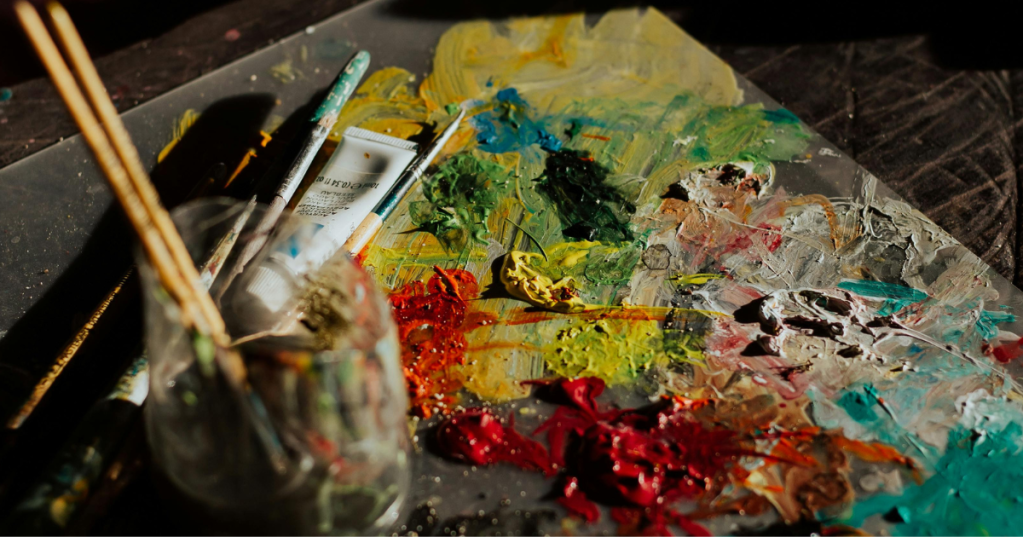
A glass palette is convenient for oil paint because when the paint dries, you can easily wash it off with turpentine. The smooth surface is ideal for mixing oil and other solvents but be careful not to drop it because they tend to shatter easily.
Brush cleaner
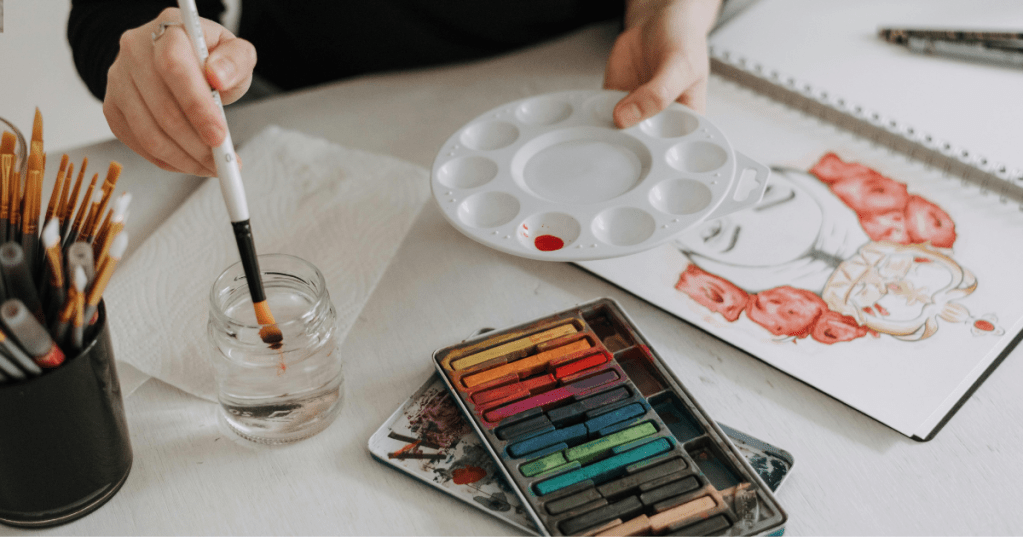
Acrylic paint has a notorious reputation for destroying a good paintbrush. This can be said the same for oil paint. I recommend that you clean your brush after each use or leave it in a cup of turpentine or water.
Linseed oil
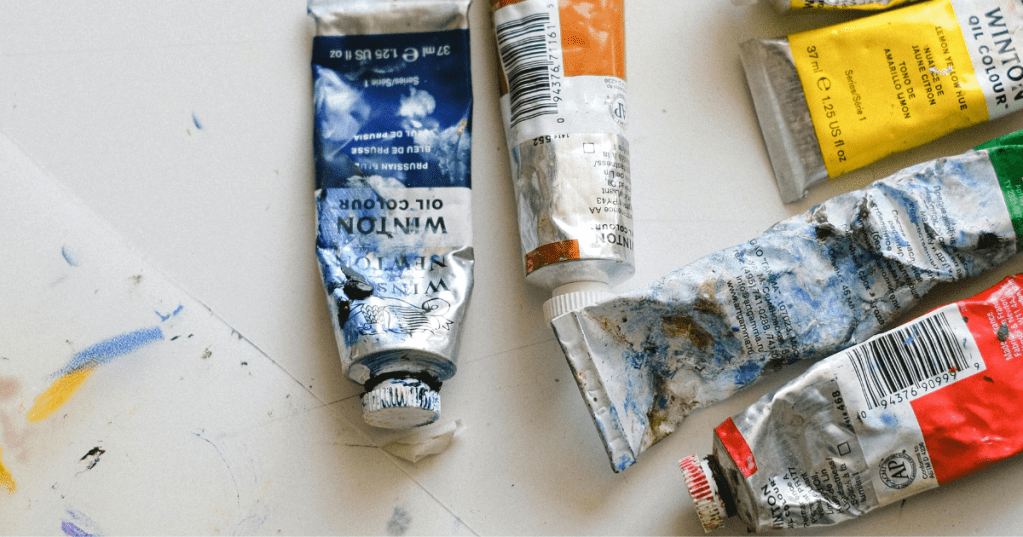
Linseed oil serves many purposes. It is a natural oil, and it can help protect the finish of your painting. It is also great for thinning out your oil paint. This will help the mixtures to dry faster and produce a nice transparency.
Canvas

The most common canvas to use for oil painting is cotton. It lasts longer and the material is durable. Linen is commonly used by experienced artists, but the issue with linen is that it can be expensive. Therefore, I would recommend starting with a cotton-based canvas for the absolute beginner.
Paint brush
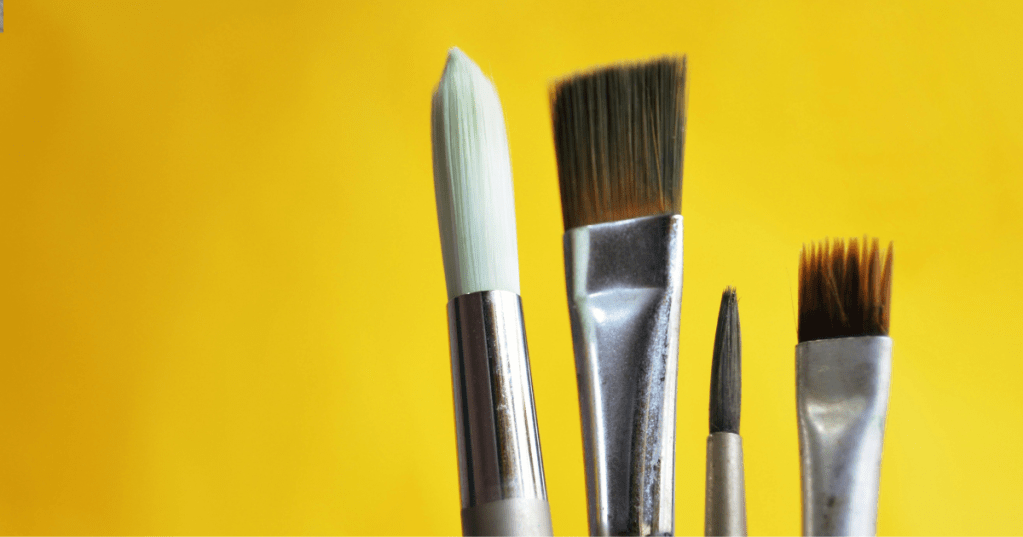
Paintbrushes come in different shapes and sizes, but I recommend buying a good paintbrush that is made of hog hair. Hog hair can withstand the wear and tear of the thick oils created by manipulating and transforming a blank canvas into a beautiful piece.
Common techniques
Blending
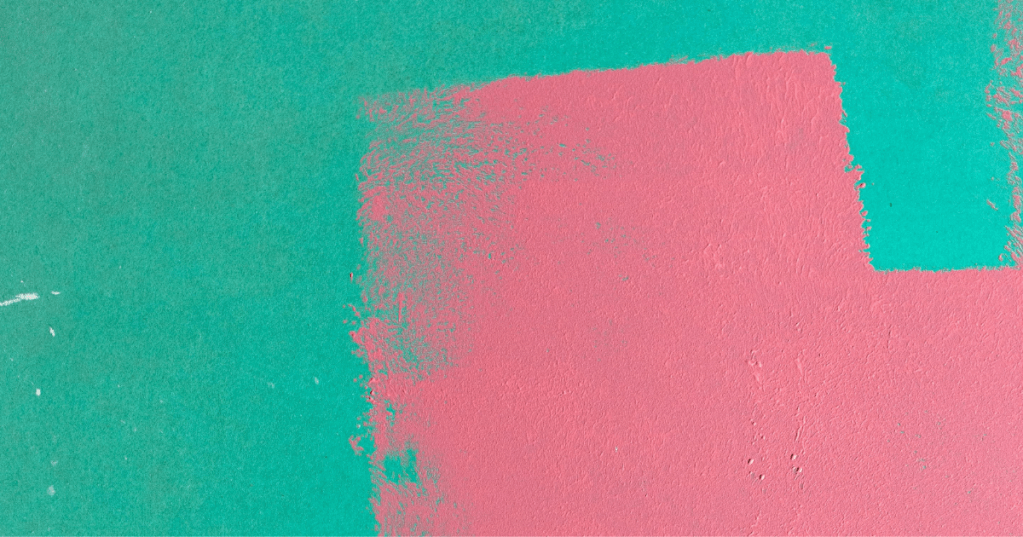
Blend is a basic principle of taking one color and merging it with a second color to create a new hue.
Glazing
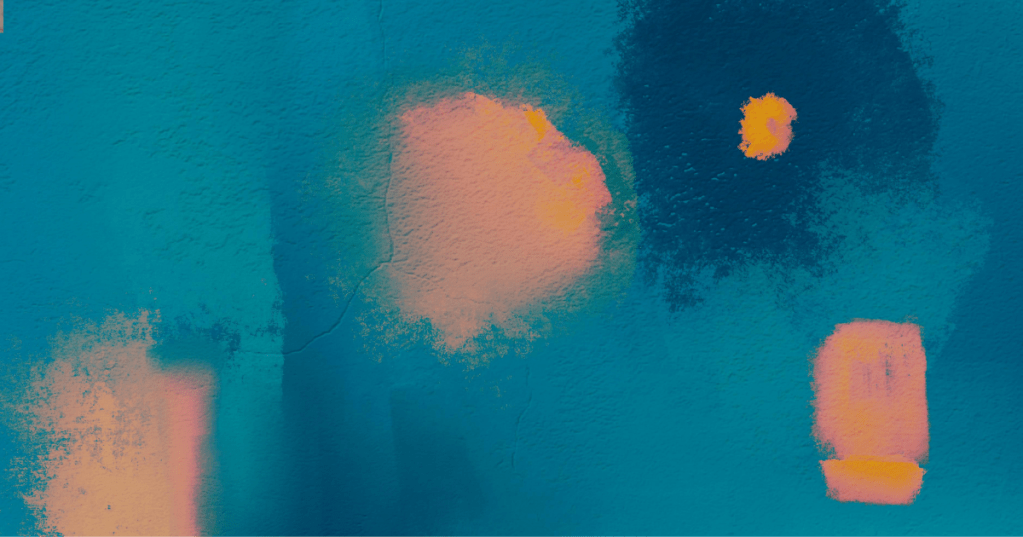
Oil paint comes with its natural gloss, but if I wanted to add a bit of saturation, then I would lay down a bit of linseed oil over the selected area and even it out with a wide bristled brush.
Wet on wet
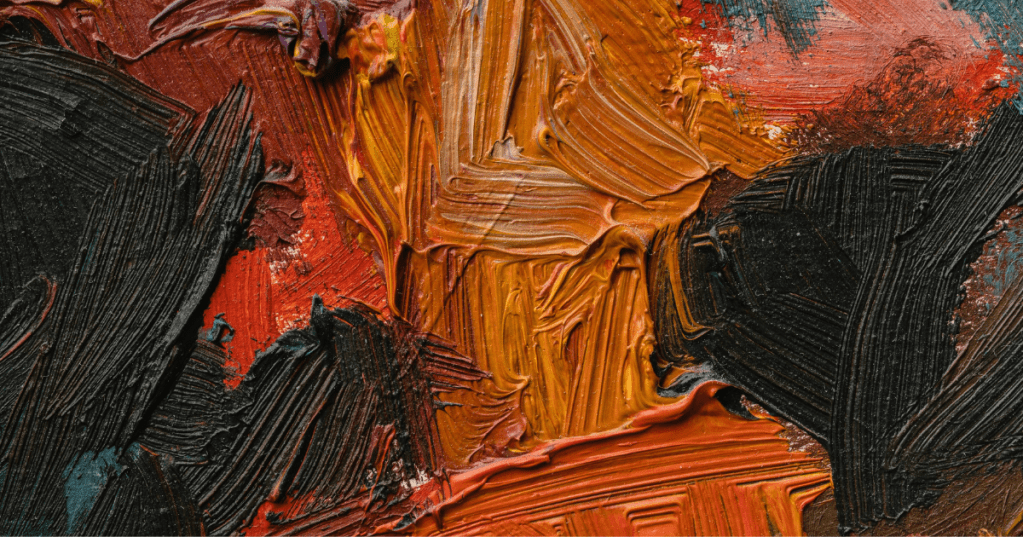
I start a project in the foreground and complete it in layers. When I add another layered, the layered underneath is typically wet, hence the phrase wet on wet technique.
Impasto
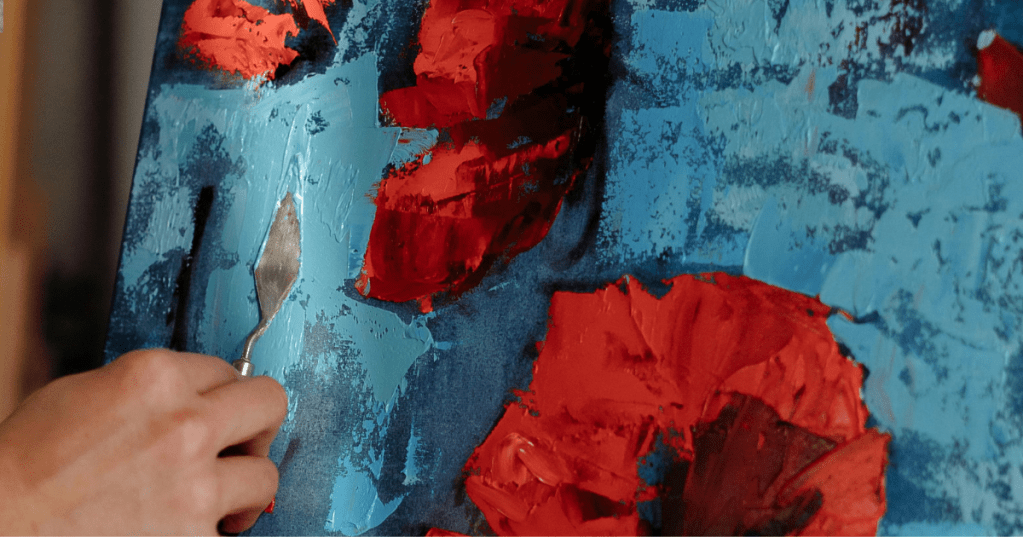
Impasto is great for making your art pop out in 3d textual form.
Mixed- mediums
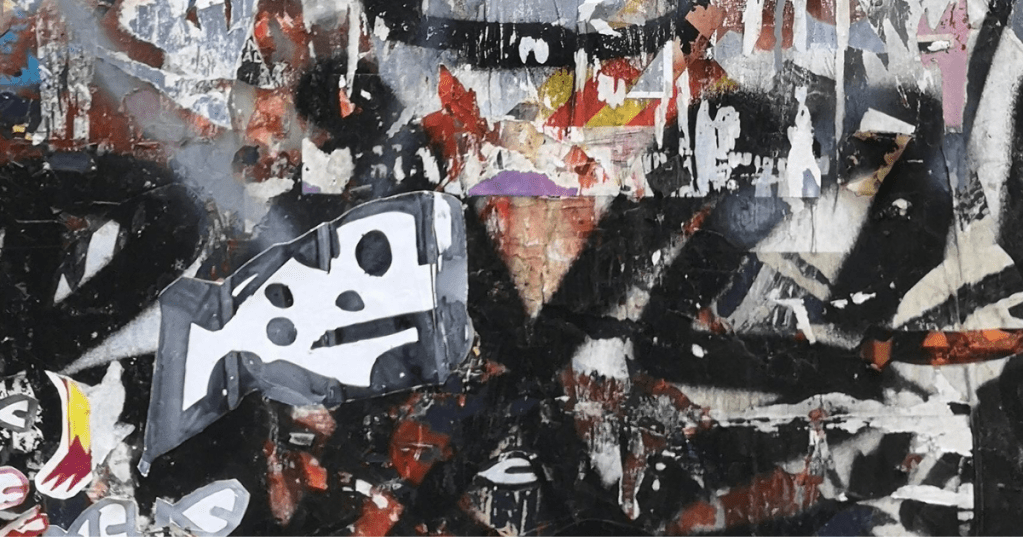
Rocks. Seashells. Sand. Wood. Newspaper clippings. Adding this material will put you into the mixed-medium atmosphere. I like to have fun with this technique, and you should add it to your repertoire as well.
Oil painting can be rewarding artistically and financially. The problem with most young artists is procrastination. I would practice 15 minutes a day on these simple techniques before moving on to more complicated procedures. Now, start creating today!


 A Shade of Art
Leave a reply to 37 oil painting ideas that sell well with customers – A Shade of Art Cancel reply