
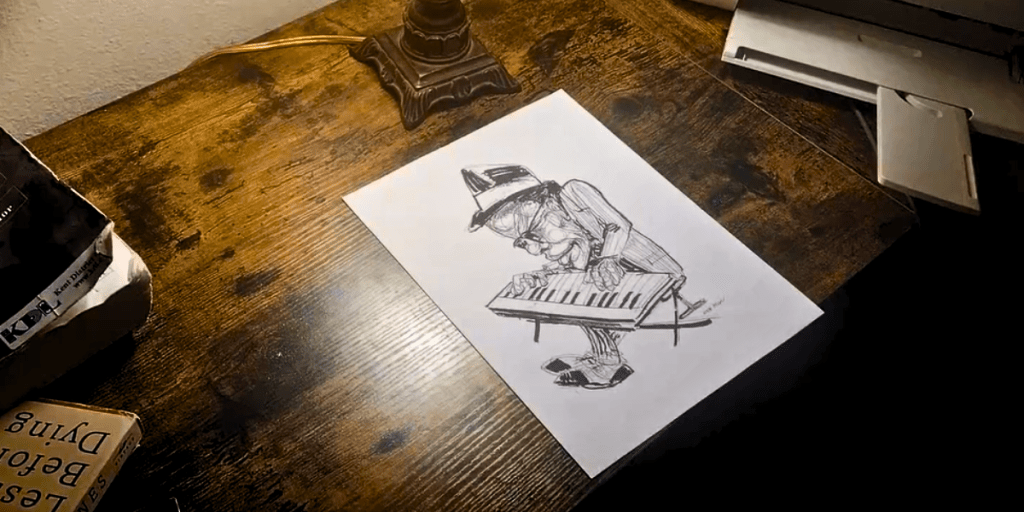
Drawing with ink is one of the oldest forms of human expression and creativity. It’s easy to find artwork that can be traced back to the earlier centuries. And there aren’t many techniques to use with ink such as applying color theory and mixing. However, I considered ink drawing an intermediate skill because once you lay an idea damn, it cannot be erased.
So in this blog, I will demonstrate the ins and outs of choosing the right ink and paper and also cover some basic techniques to get you started.
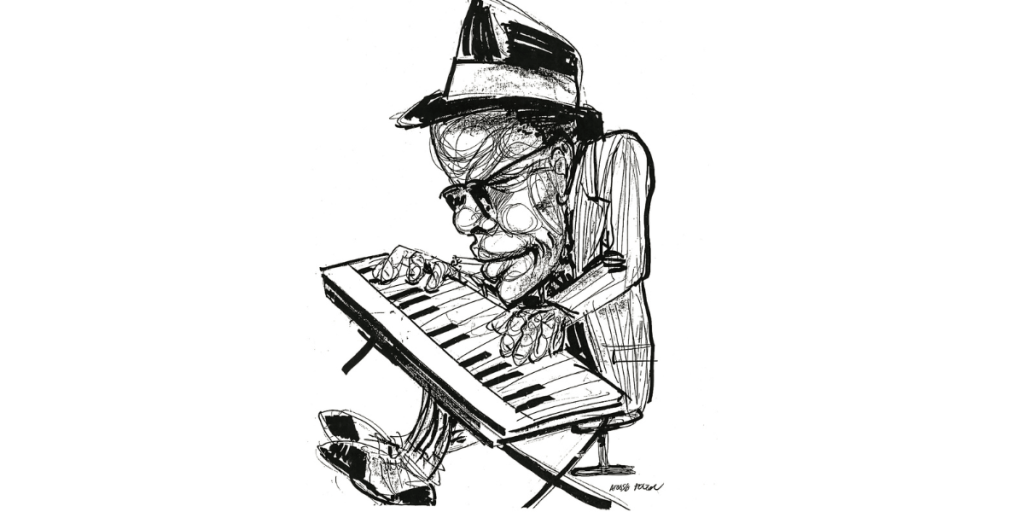
In the following example, I will use a piece I called “Keyboard Player.”
Types of ink
Rollerball Pen
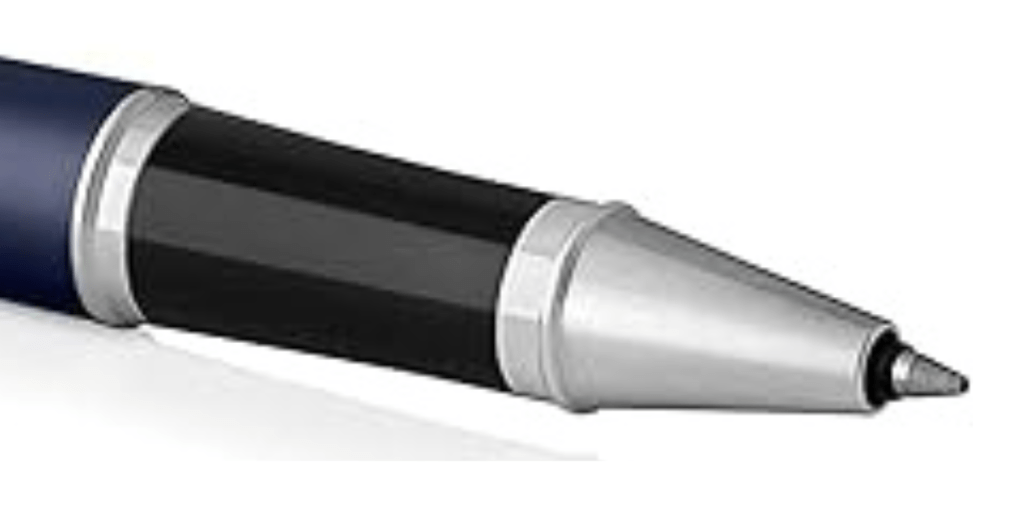
Pros
- It’s easy to work with because it is a water-based solvent.
- They come in various sizes. This allows you to create detailed work and add layering to the outline.
- Rollerball pens are reasonably affordable.
Cons
- These pens tend to bleed, and you will need to acquire a thicker pad of paper
- They have a slow drying time and tend to smudge.
- Do not leave them out and exposed because they dry out. Please keep in mind that you should cap the pen after each use.
Brush pen
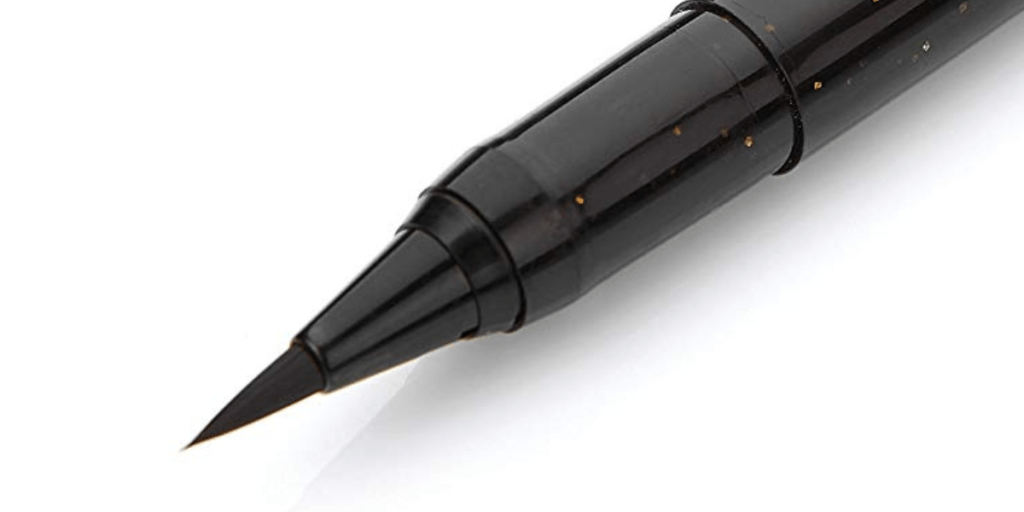
Pro
- The ink of a brush pen is light and does not bleed on lightweight paper
- They are great use for shading and layering a subject.
- The fiber tips are excellent for creating different brush strokes by applying different degrees of pressure when drawing.
Con
- The tips tend to wear out over time. This means your strokes will not be as sharp and crisp.
- Brush pens can be expensive.
- They are not refillable, so the cost to replace a pen can run up your budget.
Fountain pen
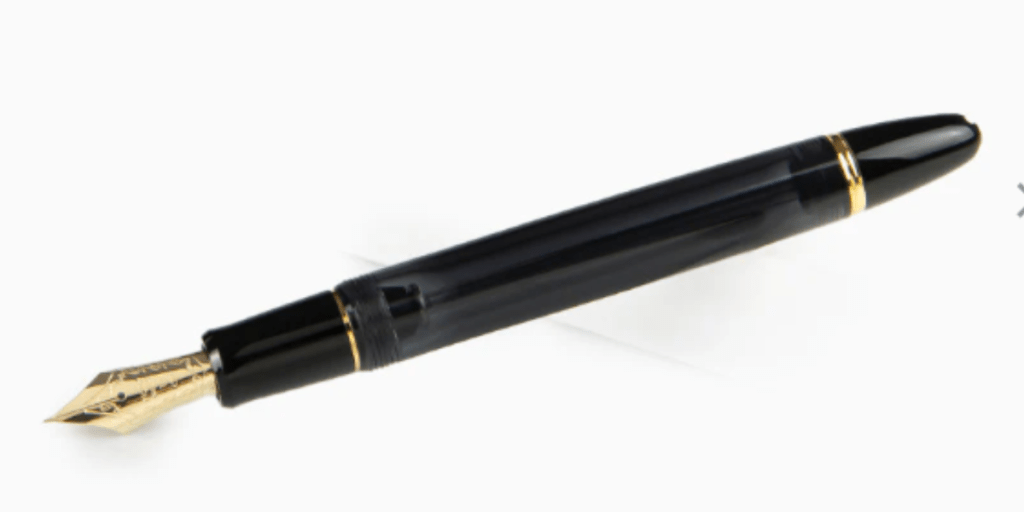
Pro
- Fountain pens can be a good option for layering and shading because they are waterproof.
- They’re refillable. You can use ink bottles or cartridges when running low on ink.
- They work well with watercolor and some oil-based mediums.
Con
- They tend to smudge because they have a slow drying time.
- They also tend to leak onto your hands and clothes under hot and humid conditions.
- A good quality fountain pen may cost you a pretty penny. (Up to $200!)
Dip pen
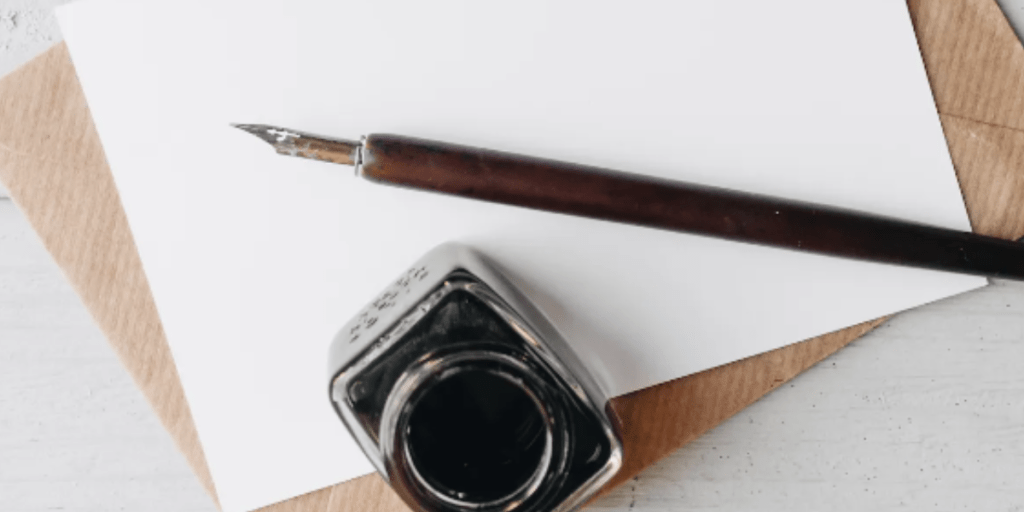
Pro
- Dips pens are great for layering, hatching, and blending a subject.
- These pens are inexpensive.
- The pigmentation of ink is light and easy to handle when drawing.
Con
- They lack consistency after the use of each dip. This may affect how you create a groove or stroke in your artwork.
- Dripping may occur and the ink can spill on your paper or clothes.
- They require a bit of maintenance, so clean them regularly.
Pigment liner
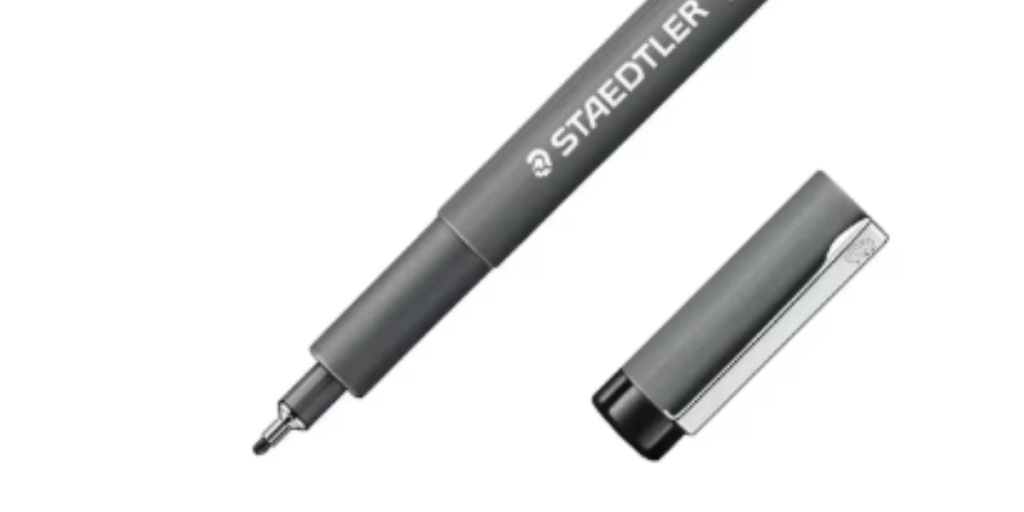
Pro
- Pigment liners are water resistant, and the ink is permanent after it dries, which can last for years.
- Pigment liners are an ideal option for outlining shapes and objects.
- They do not dry out immediately if left exposed overnight. Of course, it is not recommended to do it, so make sure to cap them after use.
Con
- They must be clean and maintained to prevent clogging.
- It requires time for the ink to dry.
- They can be expensive.
Fine liner Pen
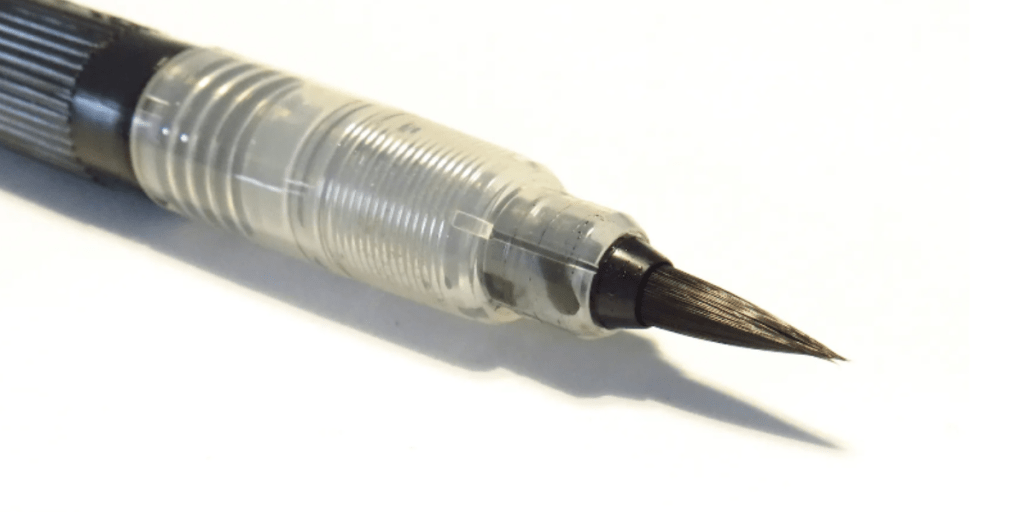
Pro
- Fine liner pens have a good drying time. There isn’t much smudging when crafting an image.
- The ink is water-based, but it can withstand bleeding under wet or humid conditions.
- They are reasonably priced compared to the other options off this list.
Con
- Do not use lightweight paper because they can often bleed through the material.
- The ink fades over time.
- Fine liner ink is not waterproof. The ink can smudge if wet, so keep your work away from rain.
Multi-liner pens
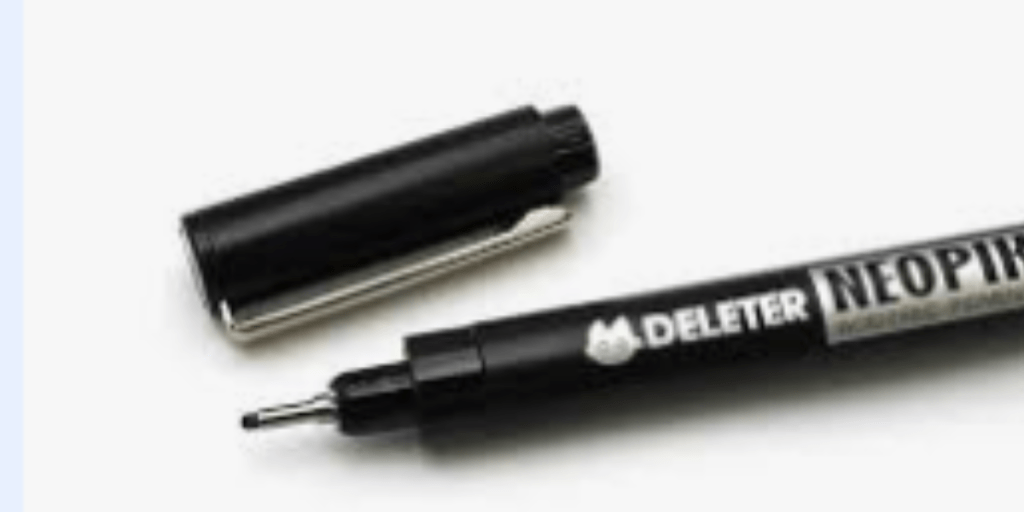
Pros
- Multi-liner pens like to dry fast.
- The ink is fade-resistant.
- The pen’s tips vary in size, which is good for outlining, sketching, and shading.
Cons
- The tips wear out quickly and need to be replaced.
- These pens are not very durable and can break if mishandled.
- They will bleed through poor-quality paper.
Types of drawing paper
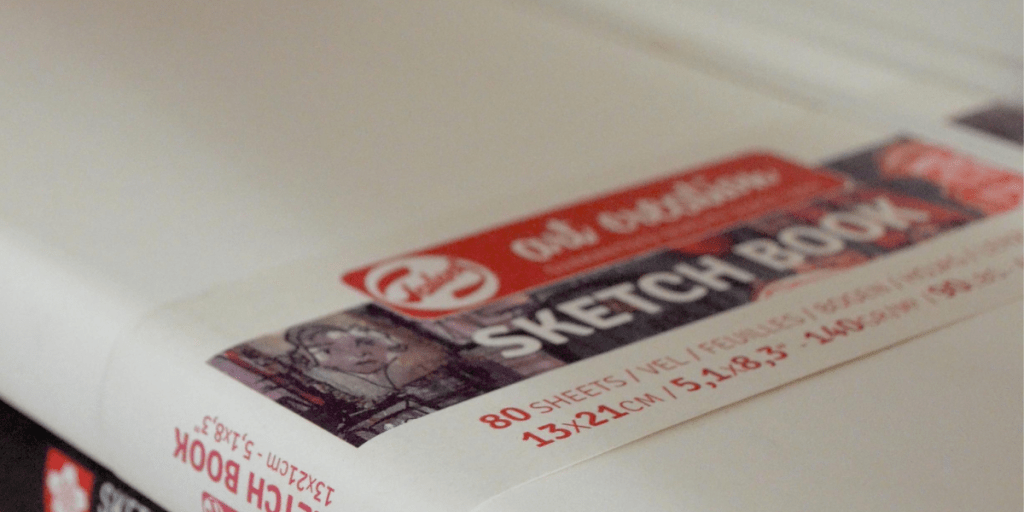
Fortunately, choosing the right paper for ink drawing doesn’t have to be explained in detail. Here are some recommended brands.
Lightweight paper
- Strathmore 400 series
Synthetic or Waterproof paper
- Terra Slate Paper
Heavyweight paper
- Winsor & Newton Drawing paper
- Canson XL Series
Watercolor paper
- Canson XL Watercolor paper
- Strathmore Watercolor paper
Do not use the paper your printer uses unless you enjoy bleeding and smudging in your artwork!
8 basic techniques
Outlining
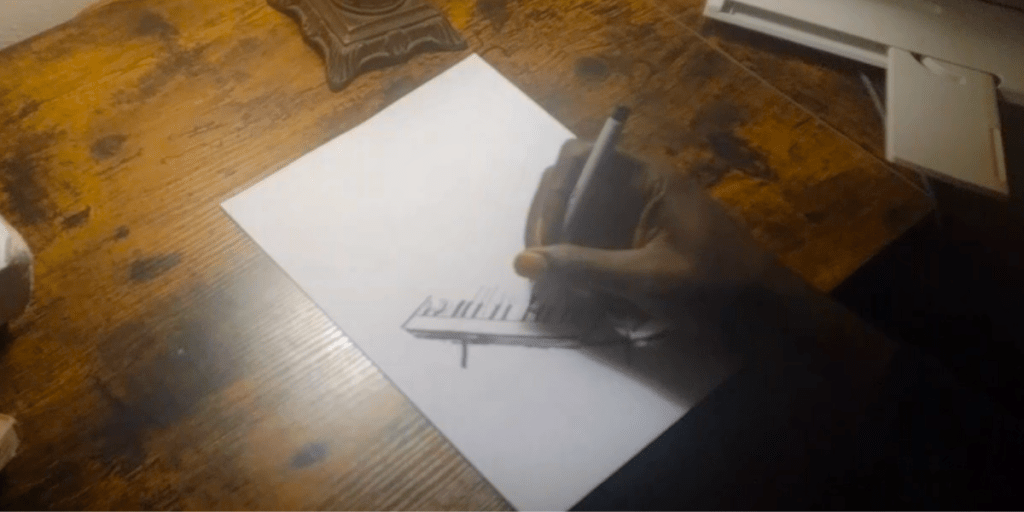
Use a pencil to sketch an idea, then follow it with a pen to trace over the penciled outline.
Burnishing
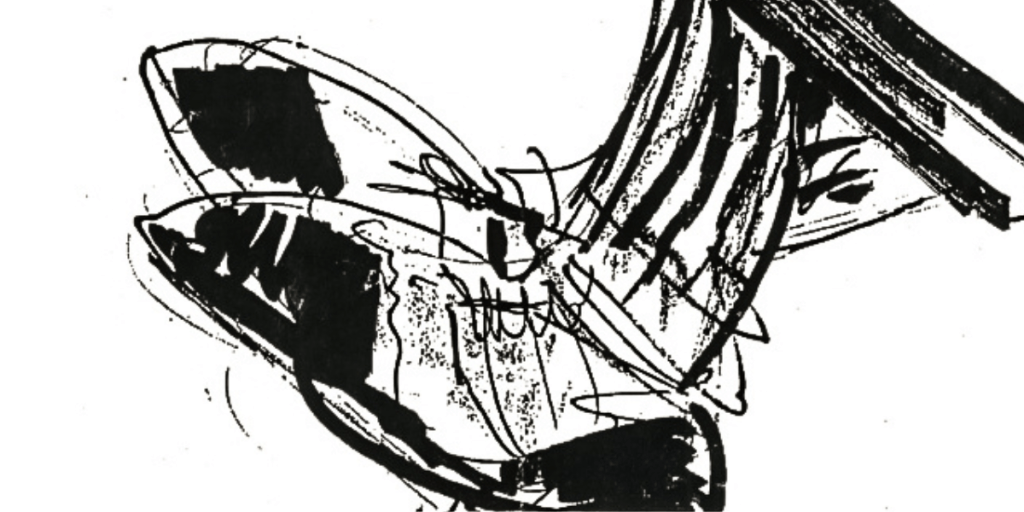
Layered the paper until the original paper tooth is no longer visible.
Hatching
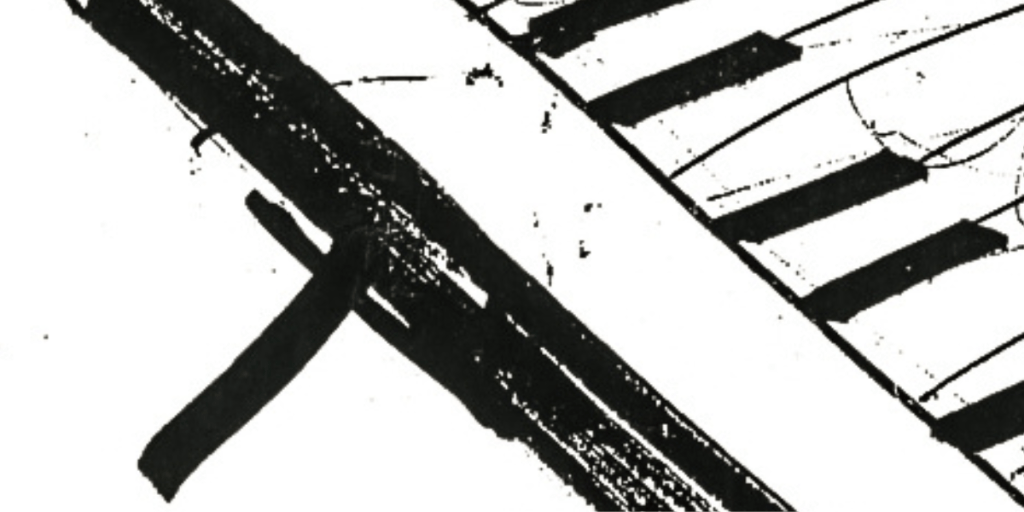
Add lines to a drawing to create light and dark areas.
Crosshatching
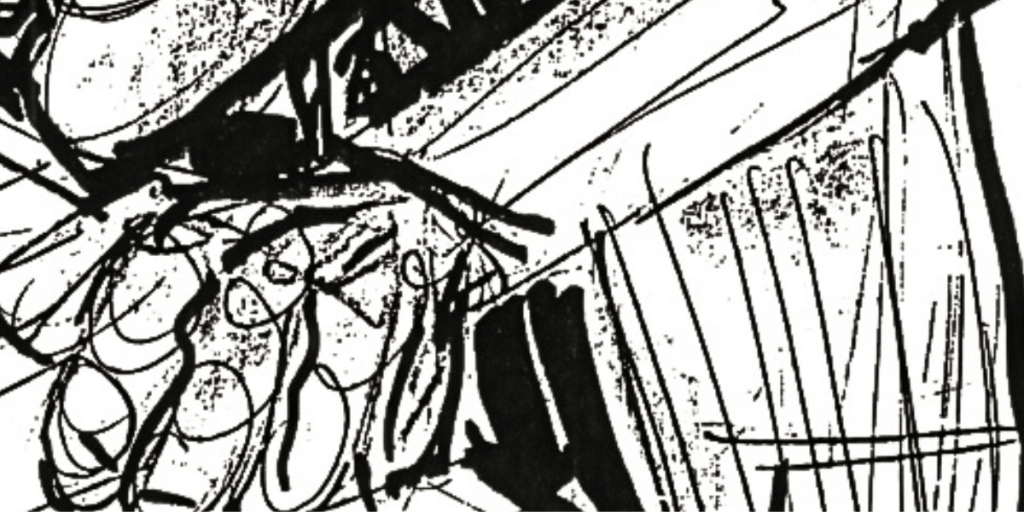
Add lines that cross over each other.
Stripping
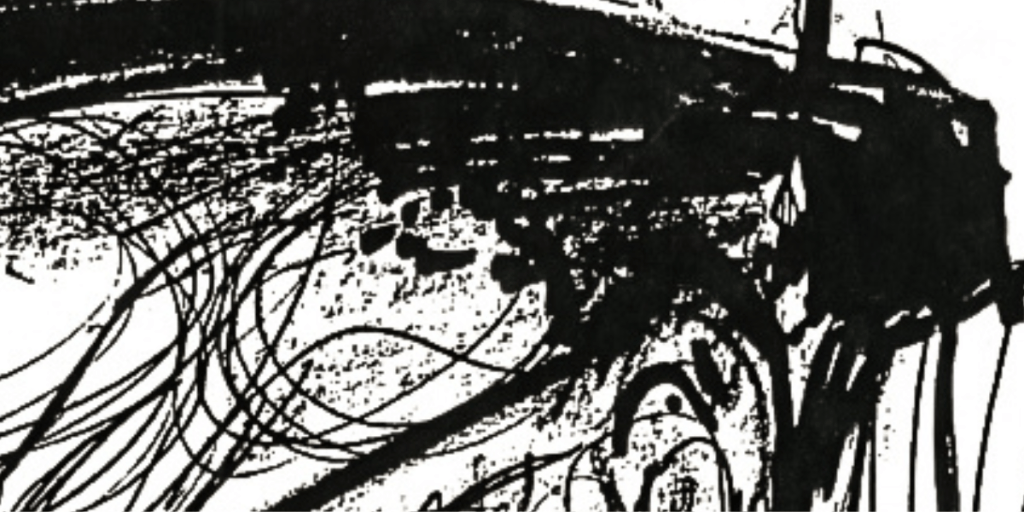
Apply tiny dots on paper to fill in a subject.
Pressure shading
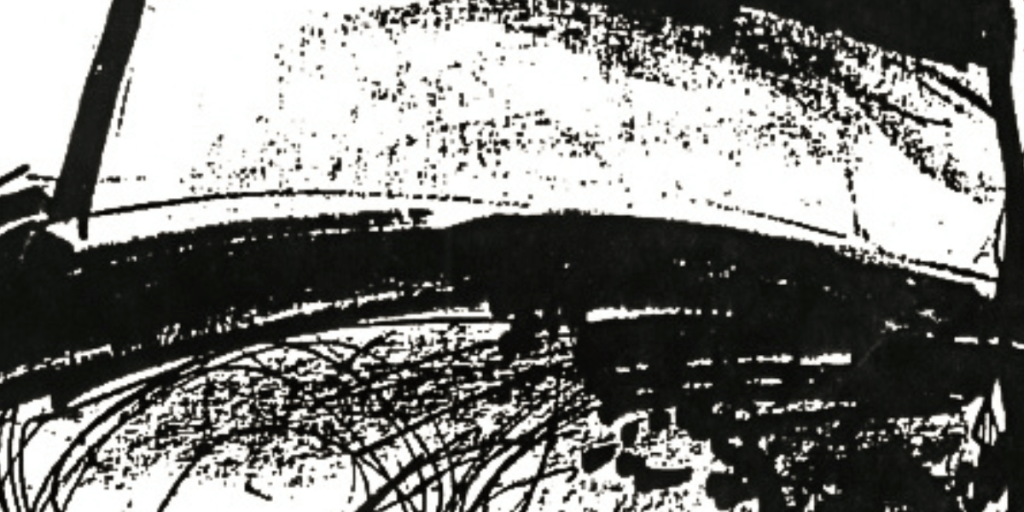
Apply two contrasts of shades: a light shade in one area and a heavy shade in an opposite or adjacent area.
Blending
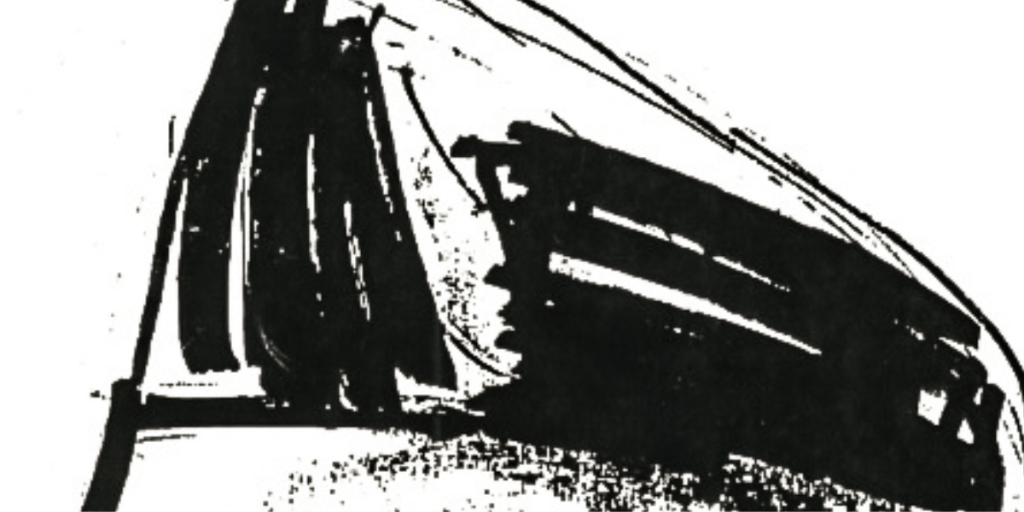
Smooth out your area with a dark color.
Ink drawing can be easy to master. However, I recommend starting with colored pencils. If you can draw from scratch without sketching out your ideas first, you’re ready to move up to the wonderful world of ink drawing!
Start creating today!
 A Shade of Art
Leave a comment