
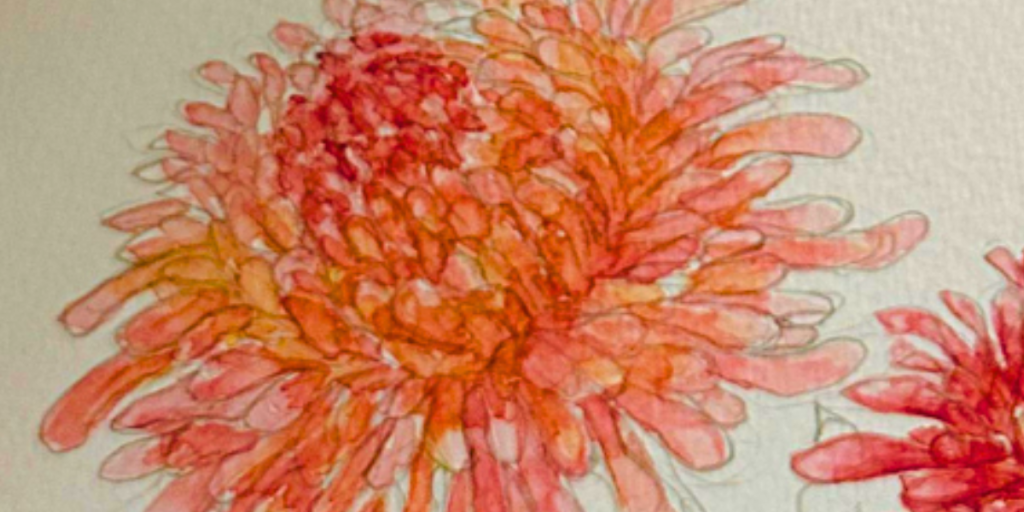
I first learned how to work with watercolor in middle school, and it has been my primary go-to technique since then when creating mixed-medium art. Watercolor paint dissolves when you apply water and spread it across the canvas with a brush.
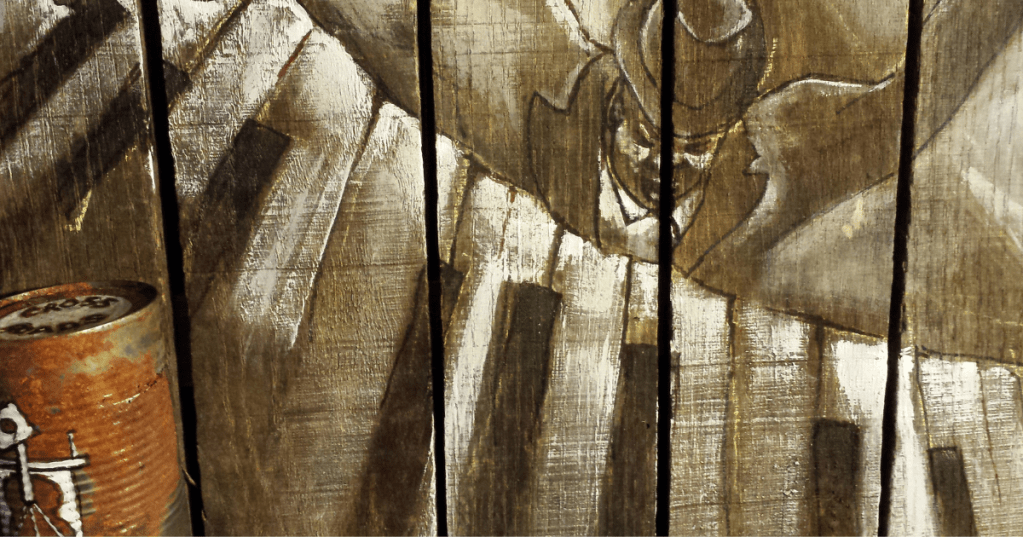
One of the disadvantages of using this paint is that it doesn’t well with other mediums like acrylic, charcoal, and oil paint.
Another key thing I would like to point out is the importance of using the right kind of paper because not all sketch papers are created equally and can handle the dampness of watercolor paint.
So in this blog, I will discuss the basic tools and techniques needed to get started.
Equipment
Watercolor is simplistic when it comes to the required equipment. This is one of the benefits of using watercolor painting and your bank account would thank you for it. However, let me emphasize the importance of choosing the right tool for the job. Watercolor is a water solvent medium, and you need the right kind of paper that can absorb the moisture over time. So let’s discuss it.
Watercolor paper
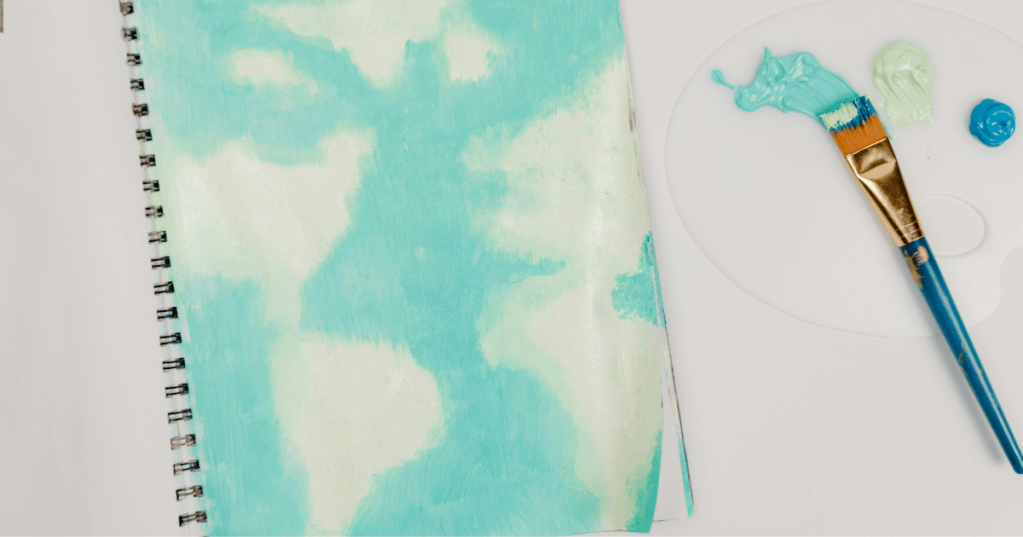
I would recommend that beginners invest in watercolor paper that is made of cotton and is alkaline buffered. The paint does not bleed through, and it also has a smooth surface, which helps to wash off any errors.
Here are some common name brands:
Strathmore
Winsor & Newton
Canson XL
Arches
Daler Rowney
Water Jar
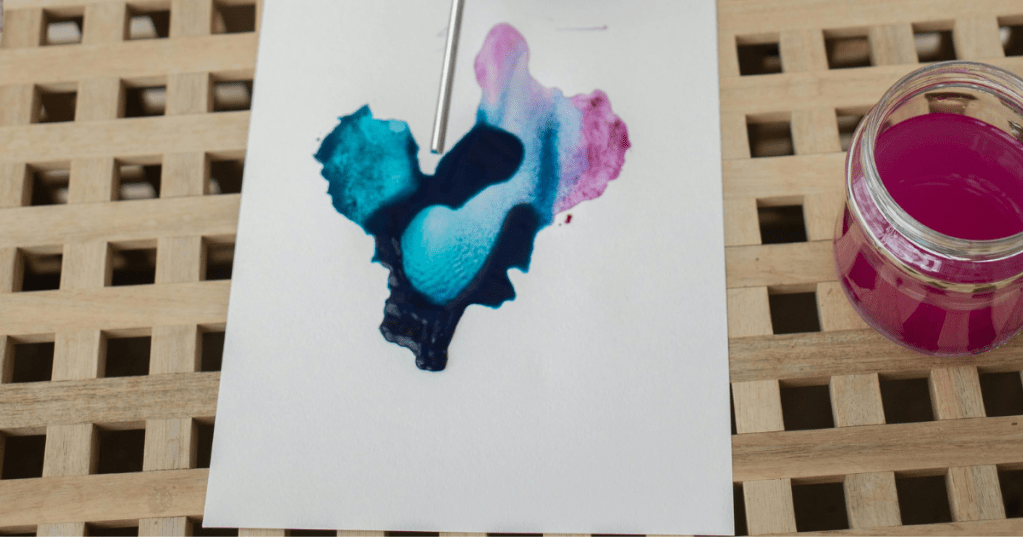
I like to keep two water jars in my workstation. The first jar is for rinsing off the paint, and the second jar is for soaking up clean water to continue painting with.
Masking tape
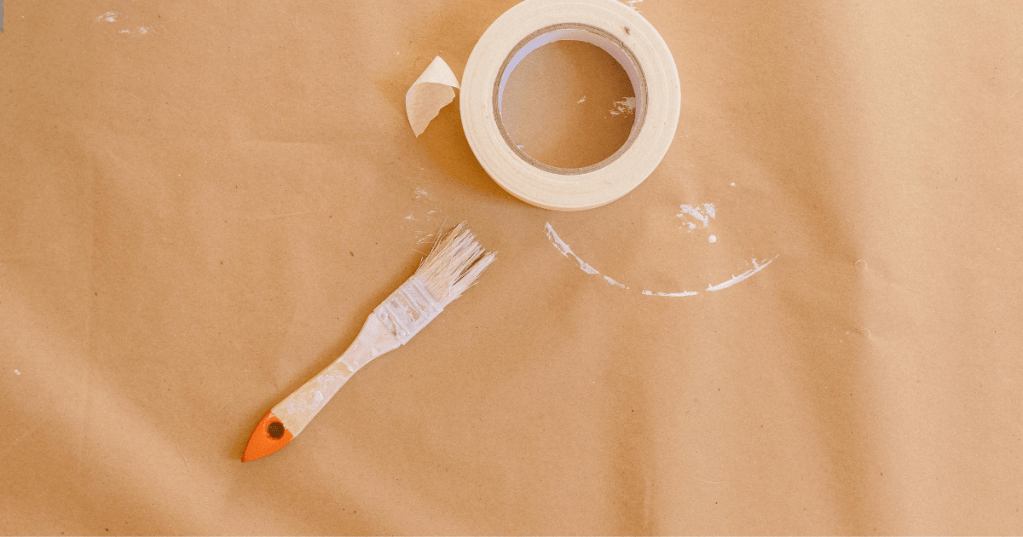
I recommend that you tape down your paper on all four sides. This will prevent paper warp or crinkling, so your images will stay flat and smooth.
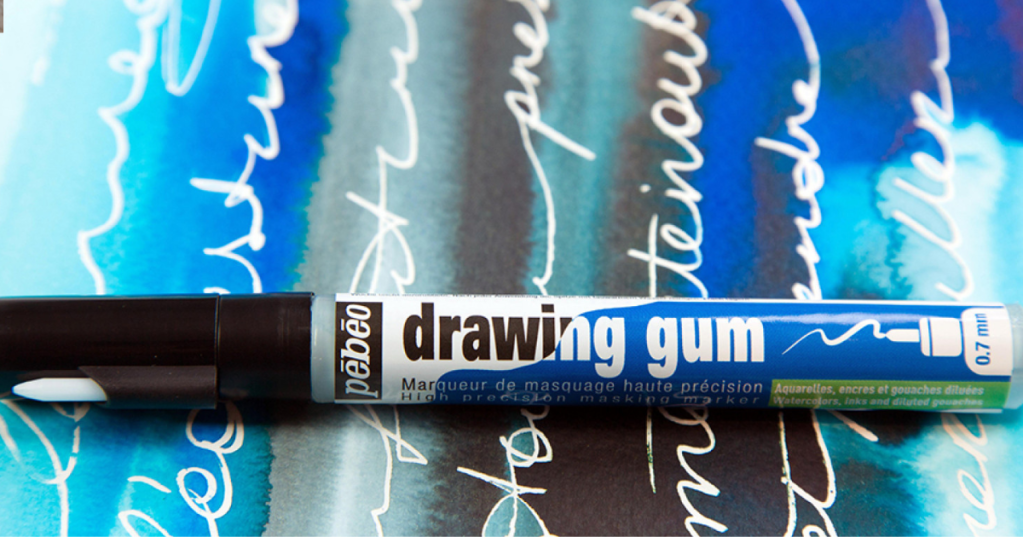
Drawing gum
Drawing gum helps with the drying process and I used it before I added another layer of paint onto the canvas. The primary purpose of the gum is to keep your painting from smudging.
Plastic palette
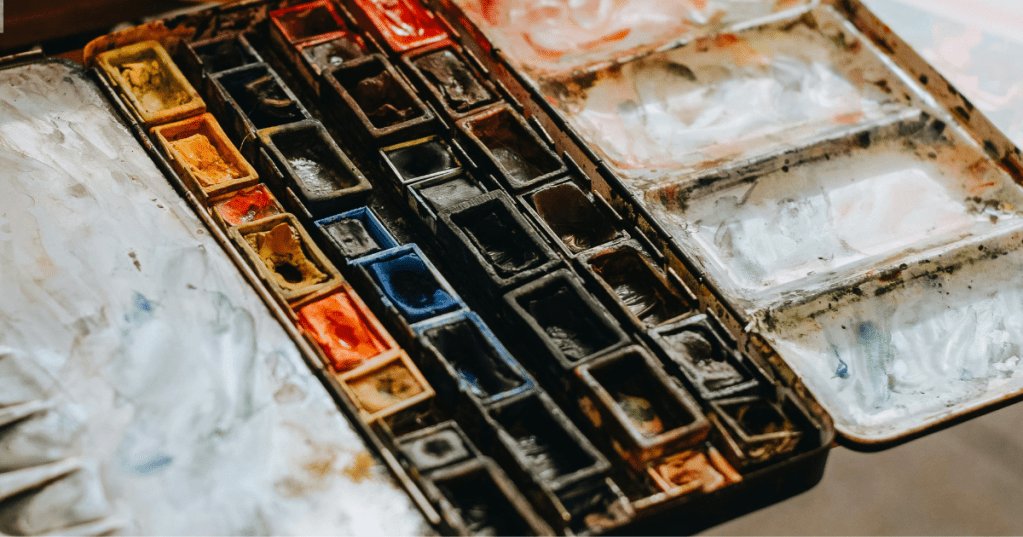
So, if a glass palette works well for oil paint and a wood palette can work well for acrylic paint, then what works well for watercolor?
I would recommend a plastic folding palette.
The benefit of using plastic folding palettes is that you can add paint to the wells and if it dries you can reactivate with a little water to continue painting.
Watercolor brushes
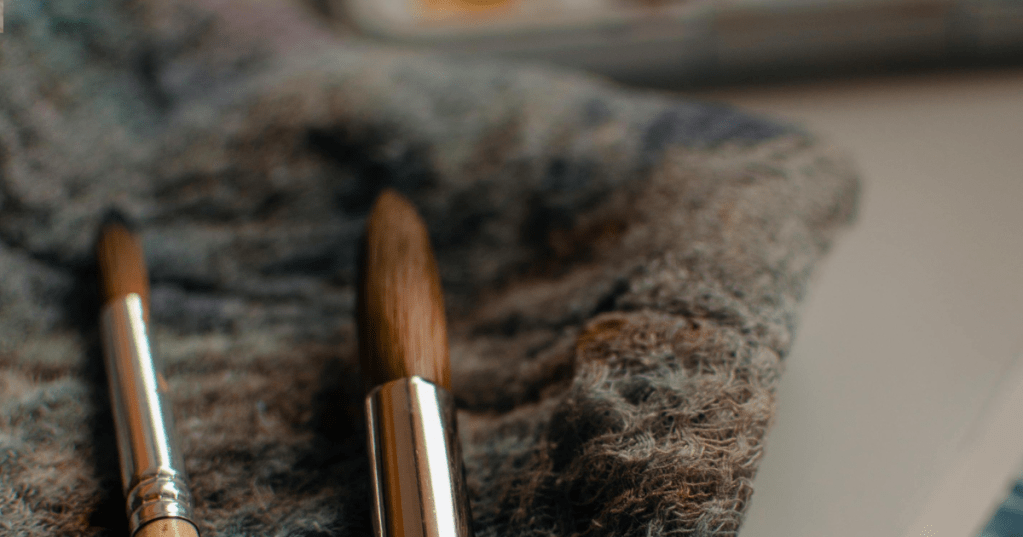
I recommend for a beginner to begin with:
1 small brush (for adding small details)
1 medium brush (for creating subjects)
1 large brush, preferably a round brush (for laying out background and shadows)
The best bristles are commonly made from sable hair, but as a beginner, store-bought brands will still get the job done.
Wipe cloth
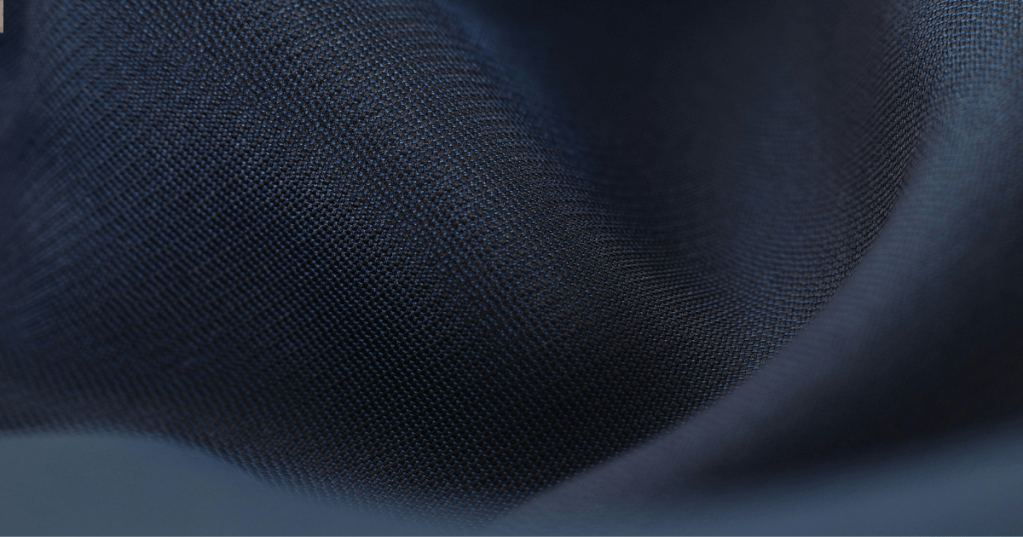
I like to use a wipe cloth to dry any extra moisture from the brush, which can create bleeding and smudging on other parts of the canvas.
Common techniques
Wet-on-wet
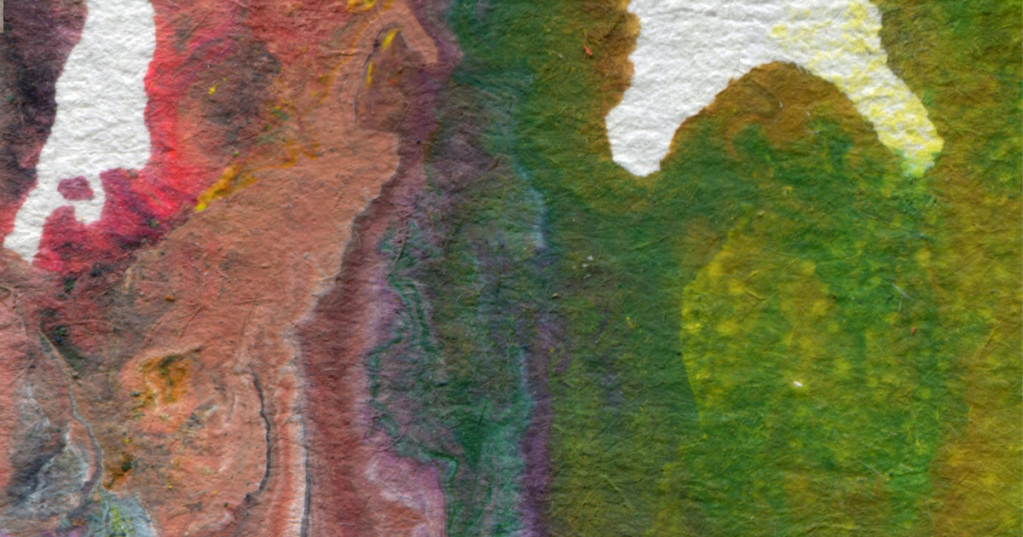
The wet-on-wet technique is when newly applied paint is layered over previously applied wet paint. I like to use this method when I create clouds, grass, snow, traces of light, and shadows.
Wet-on-dry
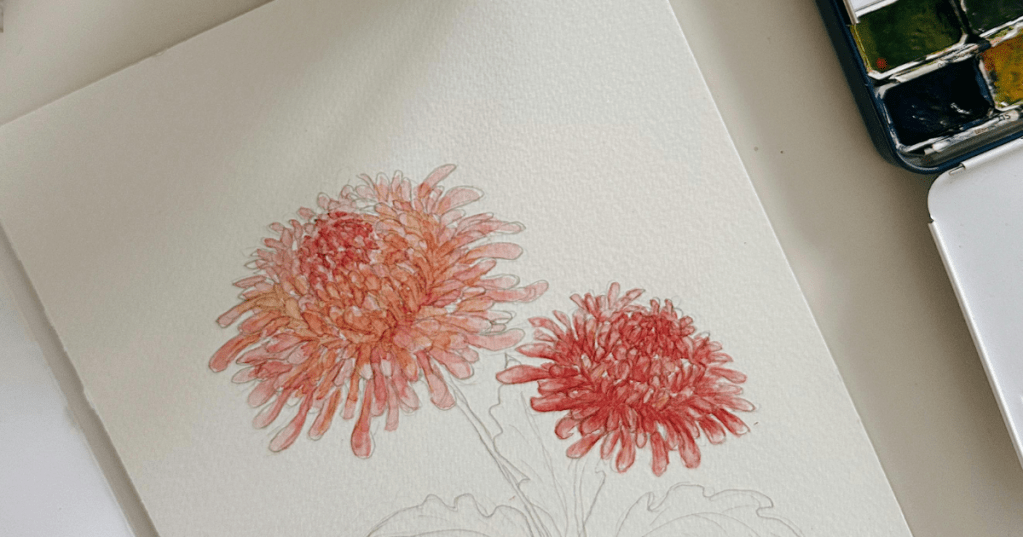
Wet-on-dry requires a bit more time, but it is often used for blending colors and adding more hue and saturation. I like to use this technique for landscaping such as mountains, hills, and fields.
Dry brush
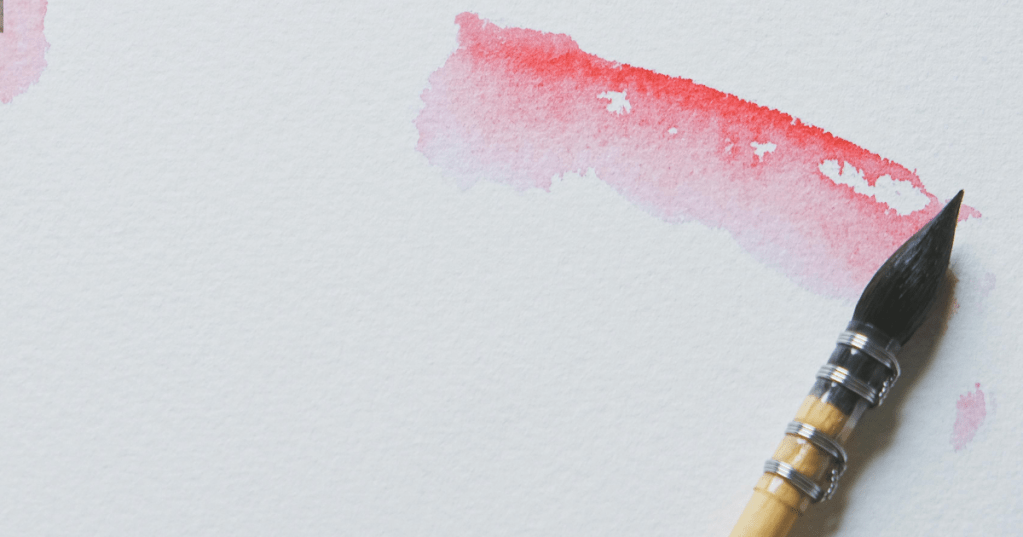
I like to take a slightly moist brush and spread it across the canvas to create various brushstrokes. This method is good for generating texture like the side of a building or the concrete of a street.
Bleed colors

I like to purposely touch up a wet area with a separate color to get a splotch effect. This method is great for creating flowers, the reflection of a lake, river, and the sky.
Splatter paint
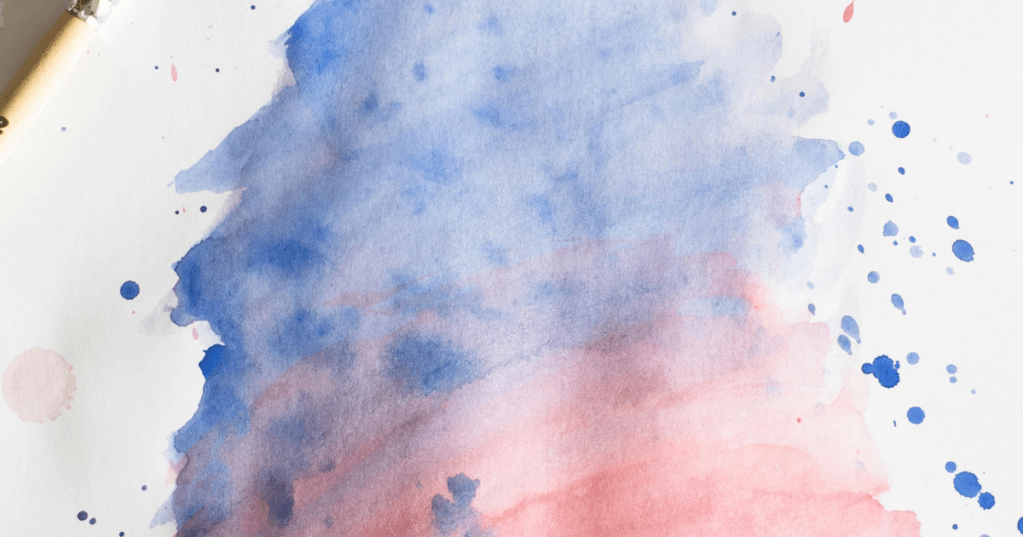
A toothbrush is a great option for this method. You can dip the bristle of the brush in a diluted plastic well and flick it onto the canvas. This effect helps create rain, snow, debris, and pollen.
Sponge
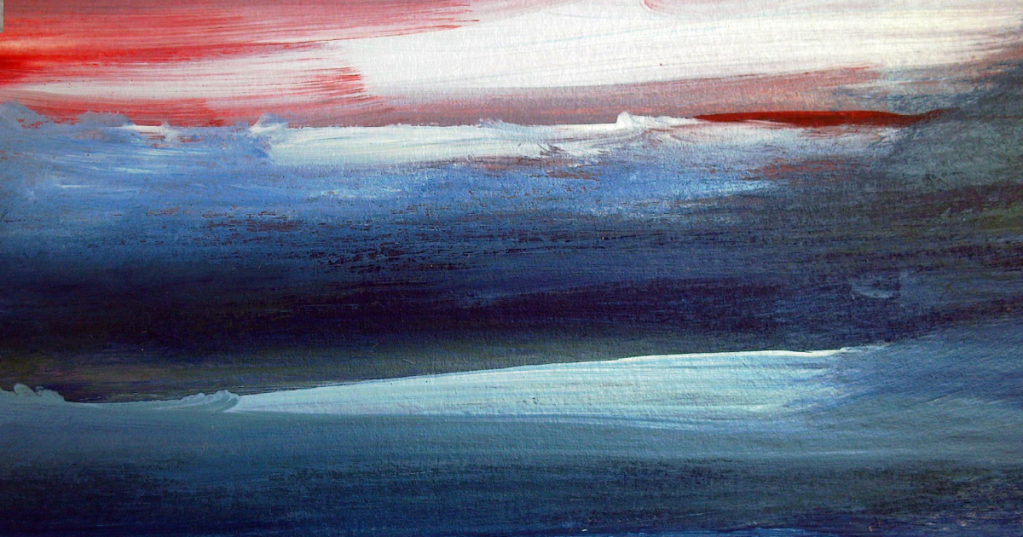
I primarily use a sponge to correct any errors. For example, if I add too many colors, a sponge can wipe it, and this will allow me to paint the area without leaving any smudges. This technique can also be used to add blur or distortion to a subject.
There is no limitation on what you can do with watercolor. It stands great alone, but it can also be added with other mediums. I like to go with wood, tin roof, and metalwork to create some of my pieces.
So hopefully this blog has helped you get started.
Go out and start creating today!
 A Shade of Art
Leave a comment