
Colored pencils, like crayons, are often the first associated tools children use to create their art projects. Of course, students mature and gradually learn how to craft their artwork with various types of paint like watercolor or acrylic. The learning curve for colored pencils may diminish once a student reaches the professional stages, however, colored pencils are a great medium to work with because they sell very well at art festivals and online.
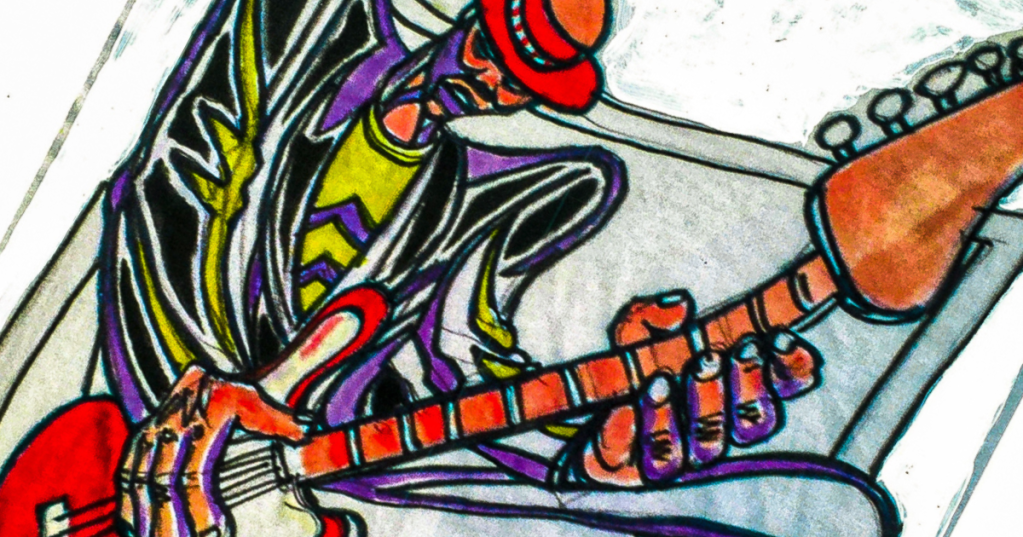
So, the purpose of this blog is to demonstrate the ins and outs of choosing the right type of colored pencil and how to use simple techniques to get started.
Examples
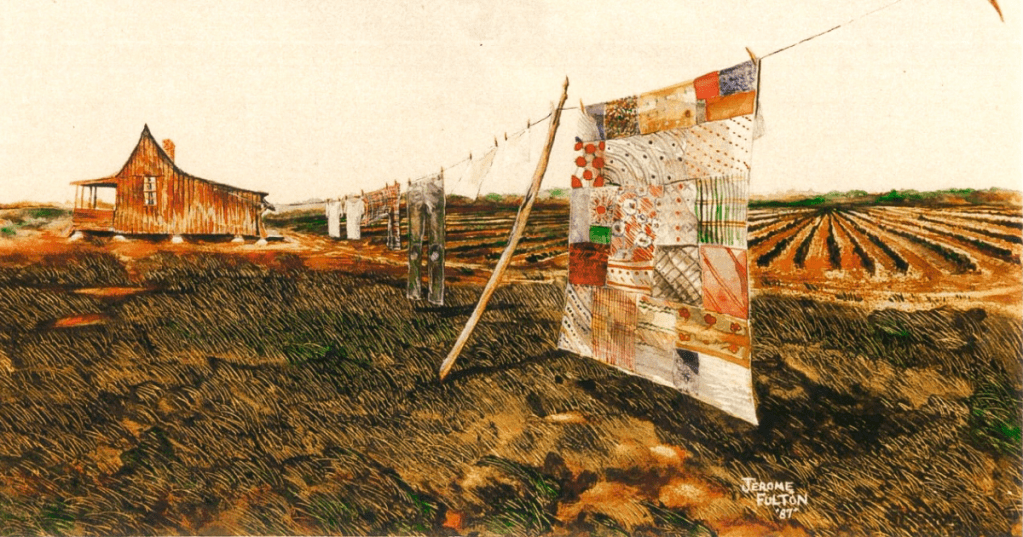
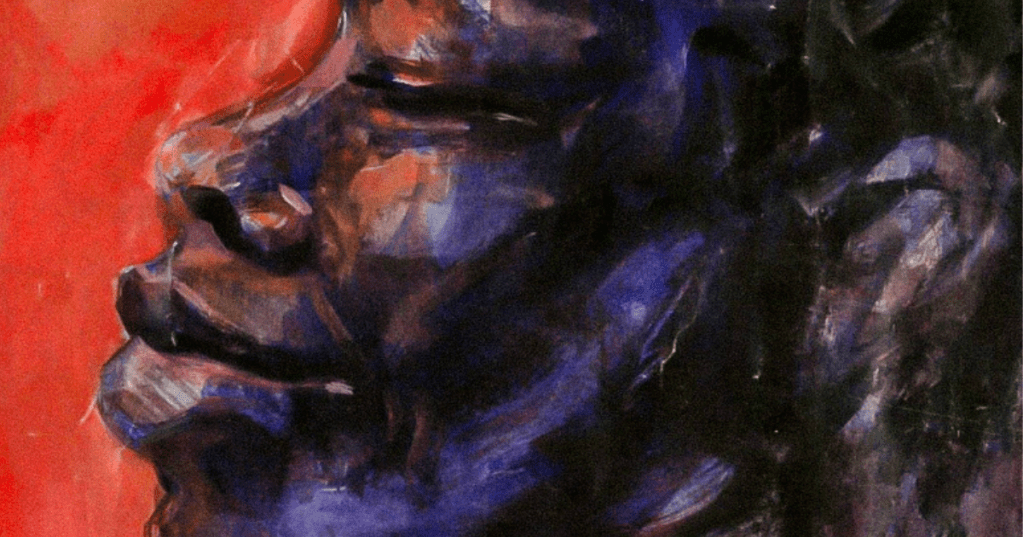
This portrait is called ‘Wash Day’.
By Jerome Fulton
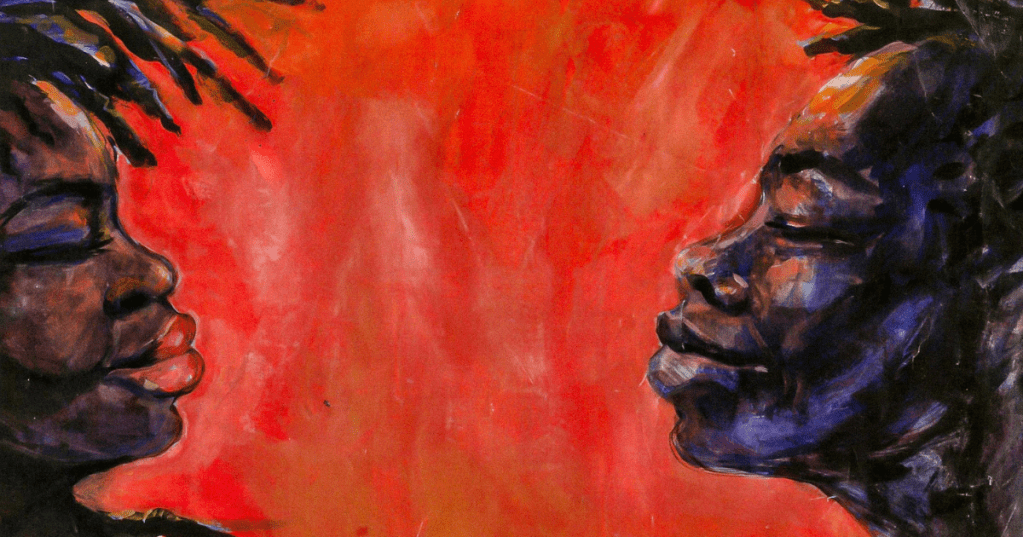
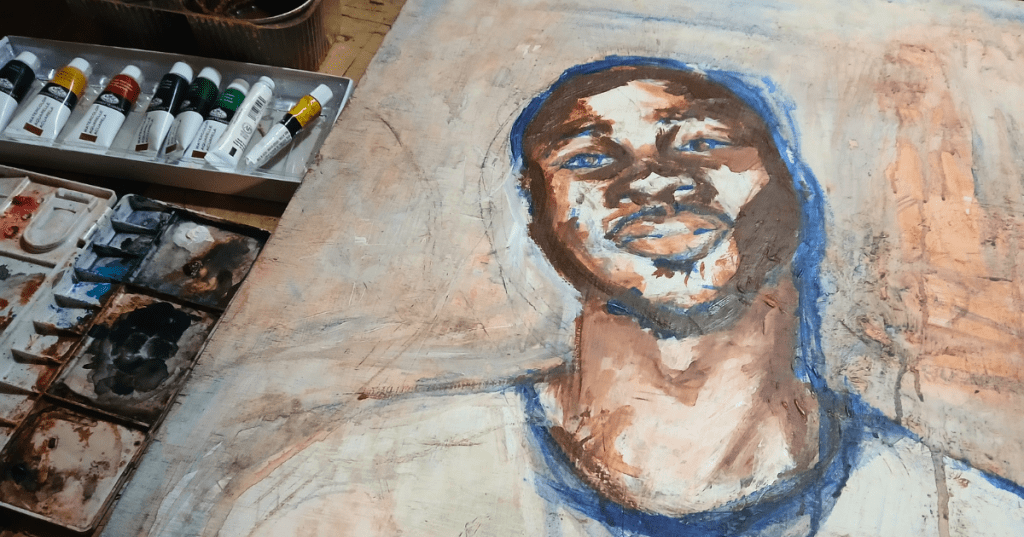
This portrait is called ‘The Kiss’ .
By Walter “Atootsie” Fulton
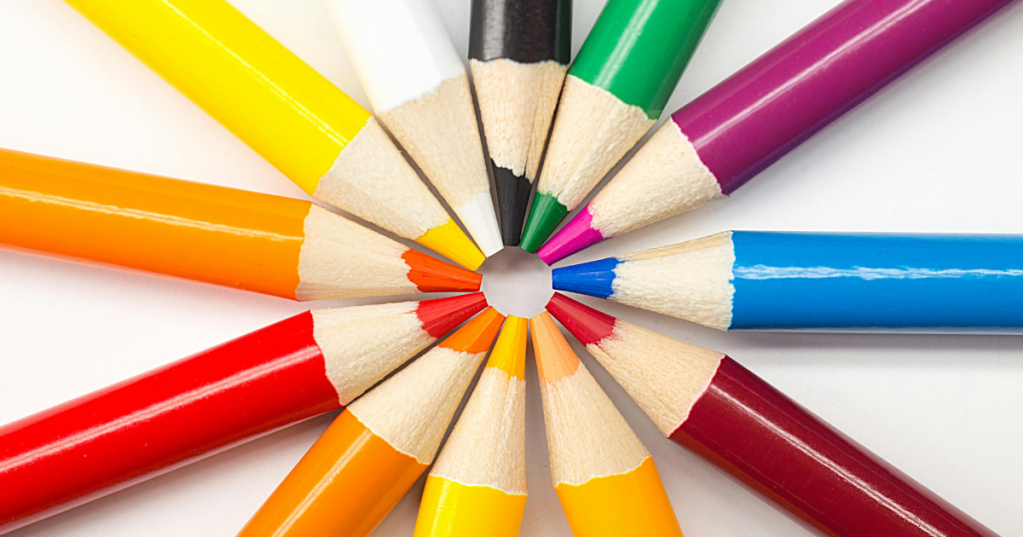
Wax-based color pencils (Beginner friendly)
These pencils are easier to erase, and they have a much larger selection to choose from in a variety of sizes, shapes, and colors.
They are easily found in your local general goods stores, and they are the cheapest type of color pencils to buy.
However, their outer casing and its pigmentation do not spread well across the paper as well as oil and water-based color pencils.
Water-based colored pencils (For experienced artists)
These types of pencils are soluble in water, so they are very useful for shading and adding more depth to the foreground and the background of your finished pieces.
They are the preferred choice for crafting sharp edges and added detail that you cannot get from paints.
Unfortunately, you must buy a specific type of paper that can absorb and withstand without damage, which is why these types of pencils are a bit expensive.
Oil-based colored pencils (For advanced artists)
Oil-based pencils are more durable, and they experience less breakage with the final product. It is also possible to add layers without smudging, unlike the common issues wax and water-based pencils tend to have.
They can be easily found in your general art goods stores, but they are the most expensive type of color pencils to buy.
Even though these pencils are very durable, they are also the most difficult to erase. So it is recommended you not use them until you are ready to lay down the final touches of your art piece.
Types of drawing board
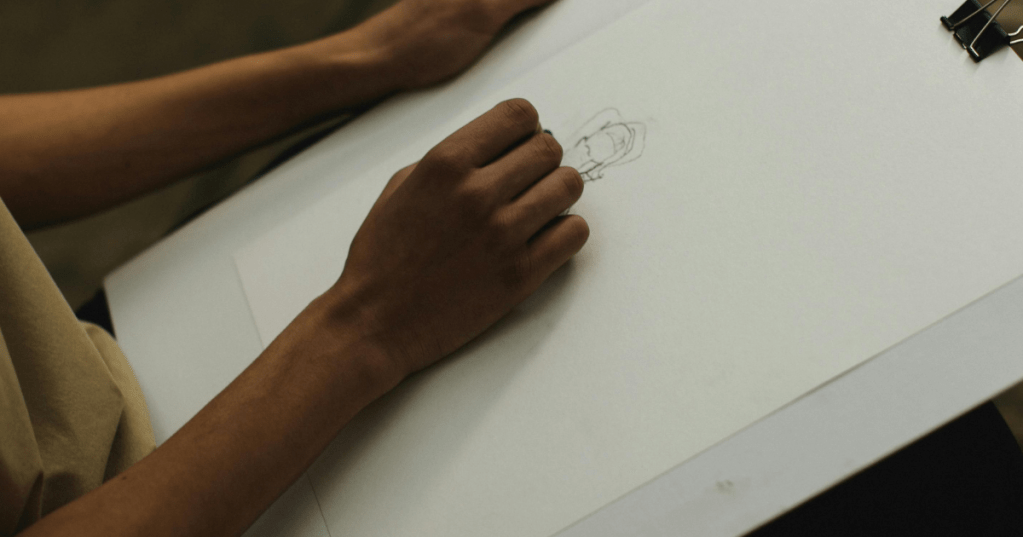
Bristol paper has a reputation for having a rougher but firm quality of paper. This paper is best used for printing documents as well as paperback books and catalogs. It can also be used efficiently with oil-based colored pencils.
Pros:
It is readily available in local stores and very beginner-friendly.
Works well with pencil, ink, watercolor acrylic paint, and oil-based markers.
The cost is very affordable.
Cons:
The layering technique can be limited.
It only comes on white paper.
The quality of your image may lose quality over time.
Pastel paper is ideal for arts and crafts. The quality of paper is heavier, which can handle oil and water-based mediums and can tackle grittier-to-touch projects.
Pros:
Works well with charcoal, pastels, and colored pencils.
Can handle extra layering.
It paper canvas comes in 50 colors.
Cons:
This paper can be hard to find if you live abroad.
It can be a bit pricey.
Yes, it can take on more layering than Bristol paper, but there are still better options out there.
Pastel Mat paper combines a blend of smooth and gritty surface paper made from Clairefontaine. This type of paper works well for serious artists.
Pros:
It is one of the highest qualities of paper and works very well with colored pencils.
Can handle deep, entail layering.
It is water resistant and be used for watercolor and mixed medium techniques.
Cons:
The price may be out of range for beginners.
Sometimes can be hard to find in stock at local stores
It is difficult to erase any mistakes on paper, so markings are final, and it is not recommended to use for absolute beginners.
Stonehenge paper is a cotton deckled material, which was created for printmaking, but found itself popular in the art community. The material is acid-free and applied with calcium carbonate. This prevents wear and tear of the artwork over time. There are five premier colors to choose from: White, Grey, Fawn, Cream, and Natural.
Pros:
The image does not fade or vanish over time.
It can absorb water and oil.
It’s made in the USA!
Cons:
It is expensive.
You cannot erase any mistakes. Anything you create will be permanent.
The color selection of paper is limited and very difficult to find in most stores.
Types of erasers
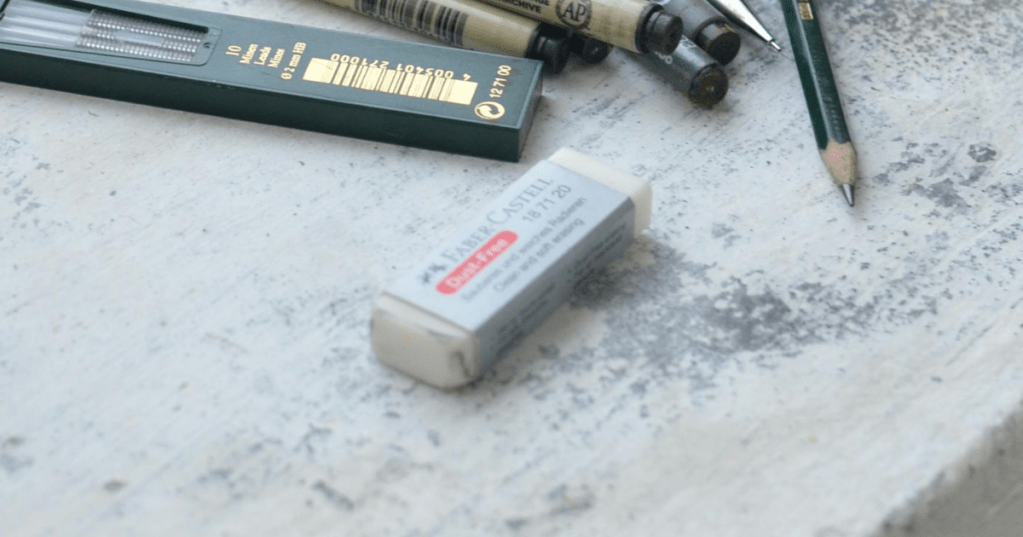
It is nearly impossible to erase colored pencil markings by hand. However, there are a couple of options that can be a suitable job.
Electric eraser
This type of eraser can remove graphite, charcoal, and colored pencils.
Gritty erasers
These types of erasers are sturdy and capable of wiping the ink off paper. But be careful, it can damage paper as well and ruin your project.
8 basic techniques
Burnishing
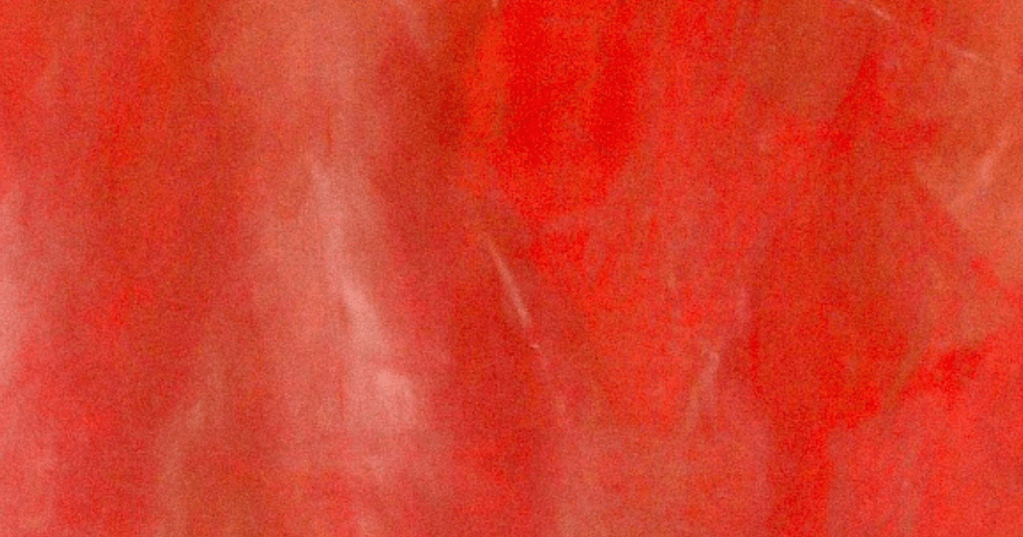
Layered the paper until the original paper tooth is no longer visible.
Pressure shading
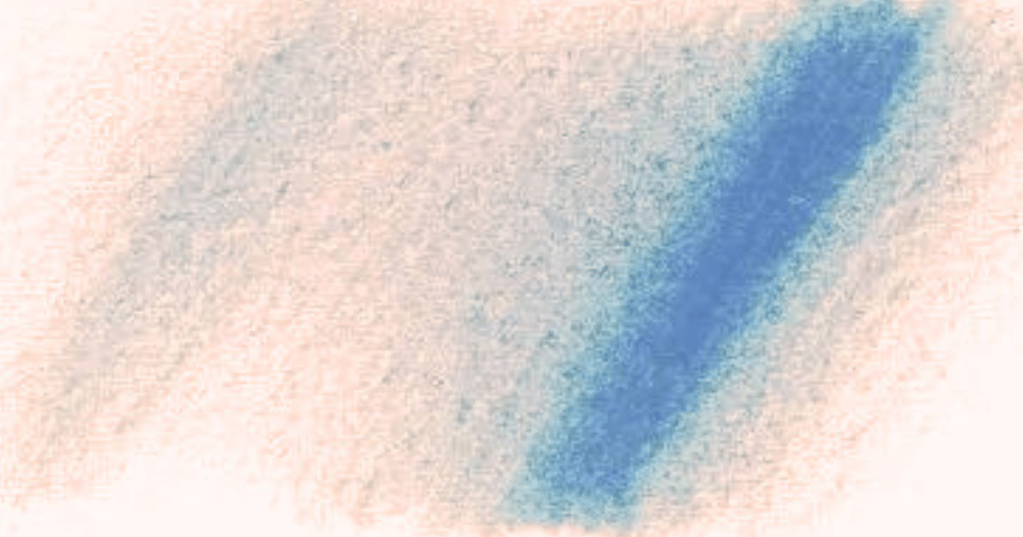
Apply a light shade of coloring in one area, and in contrast, add another area with a heavier shade of coloring.
Underpainting
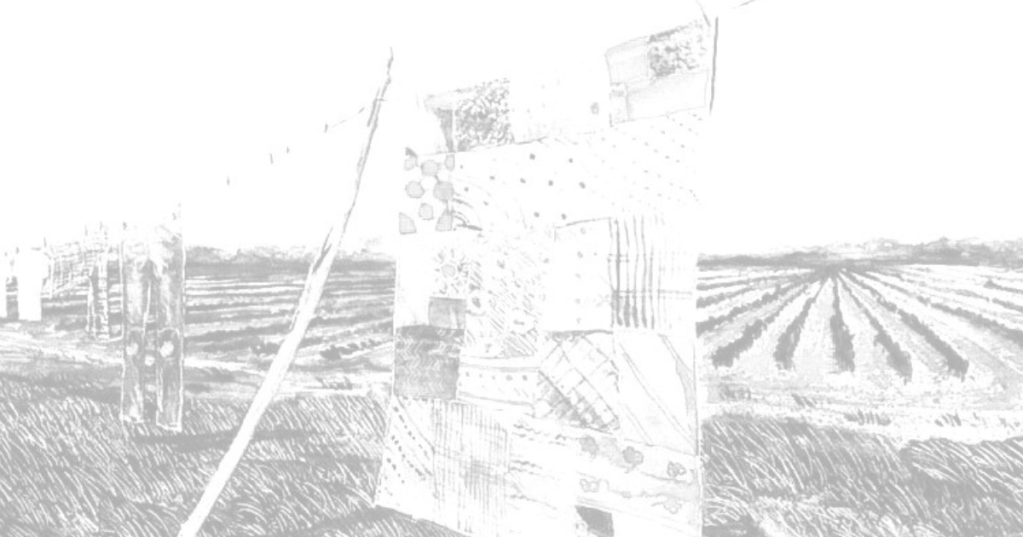
Add your very first layer in monochrome to lay down the foundation of your drawing.
Hatching
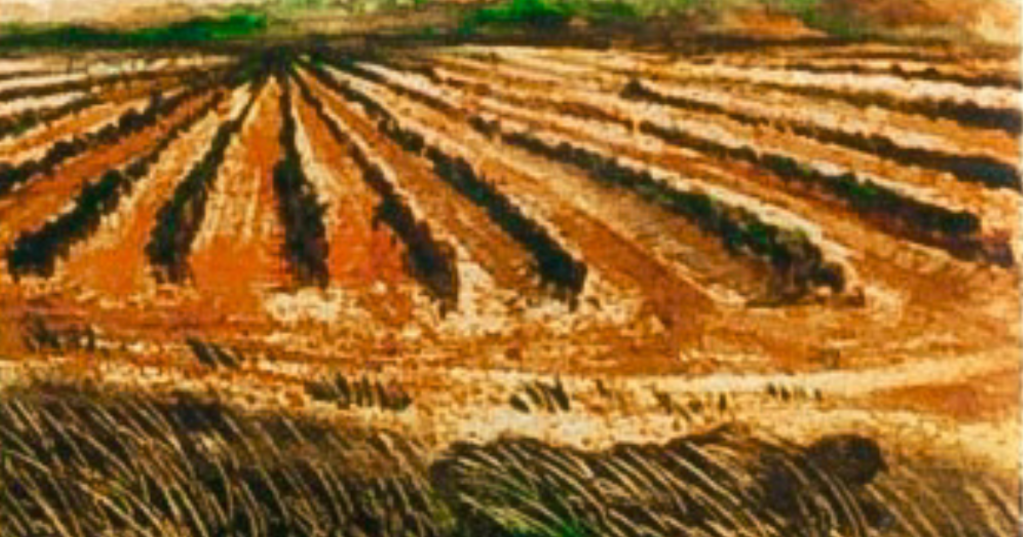
Add lines to a drawing to create light and dark areas.
Crosshatching
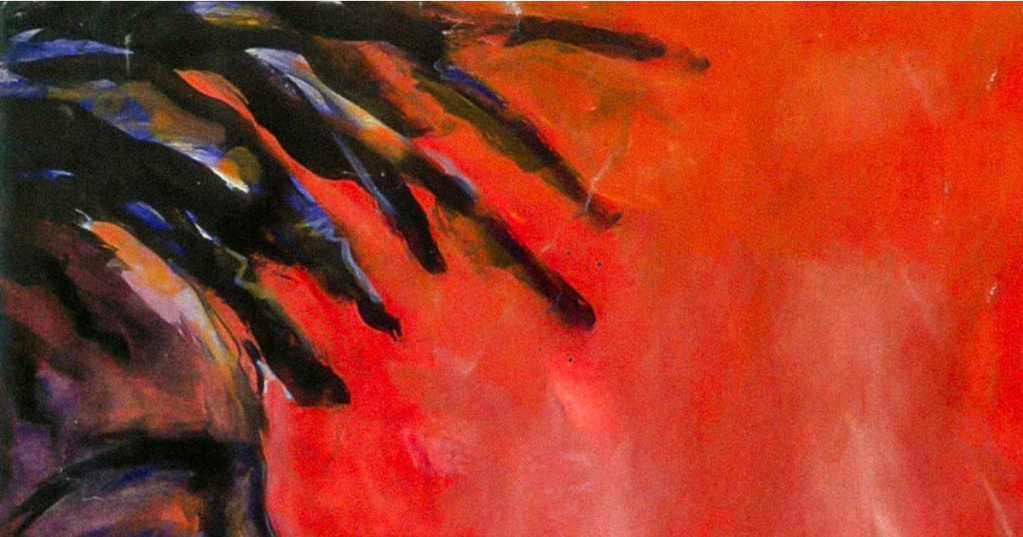
Add lines that cross over each other.
Impressing
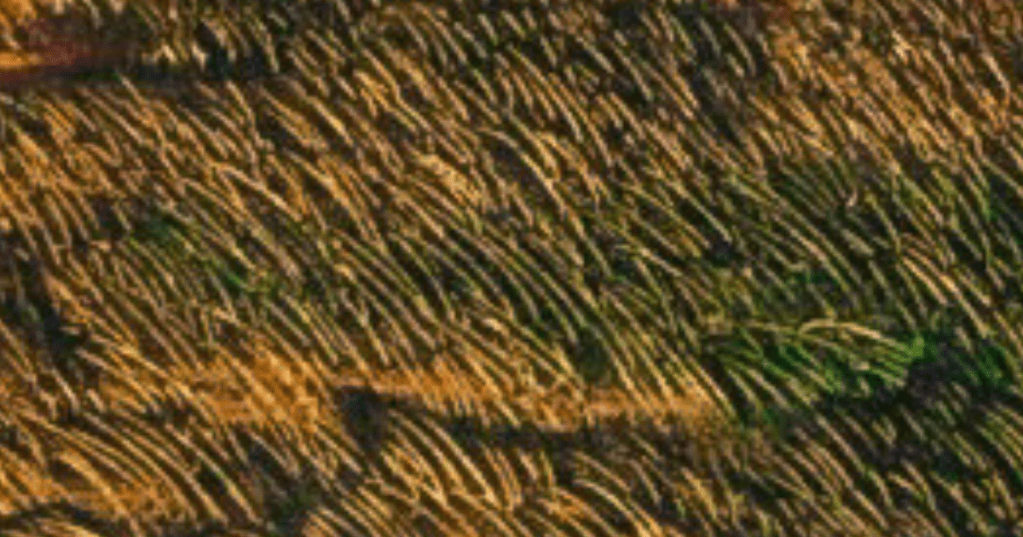
Use a knife and press down on the tooth of the paper to draw a figure. Next, shade over the area to create highlights.
Stripping

Apply tiny dots on paper.
White pencil blending
Add a third layer of white to create highlights.
Color pencil drawing does require a quite lot of your time, but it is very rewarding when you finish your projects. So start creating today!
 A Shade of Art
Leave a comment