
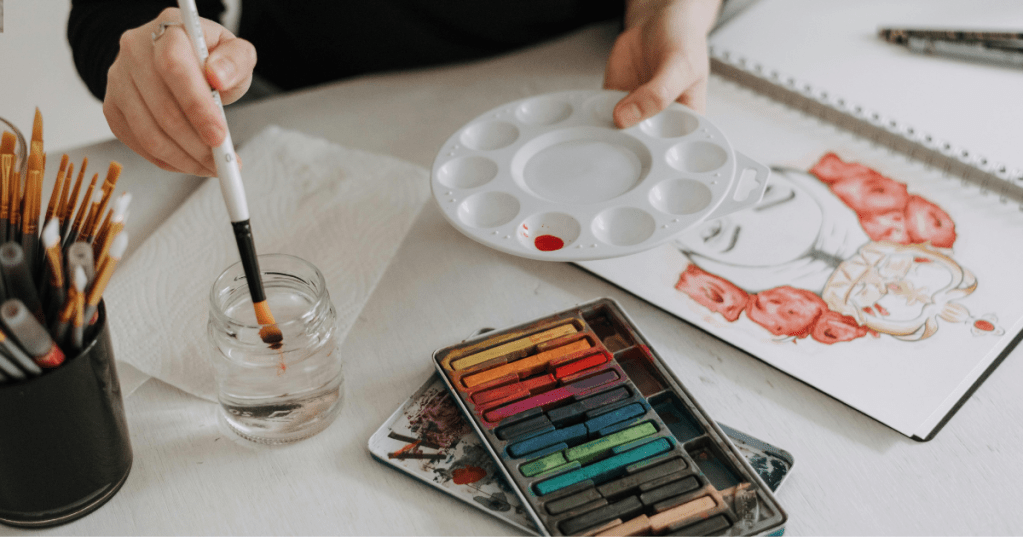
Art evokes many emotions by incorporating images of contrasting color tones and patterns. A seasoned artist adheres to this technique with the application of color mixing. Color mixing is a technique of combining two primary colors to create a secondary color. This is very important to a young, inspiring artist because colors help create certain moods and emotions.
This blog will cover the basics to get you started. The color mixing technique I will cover can be applied in acrylic, watercolor, and oil painting.
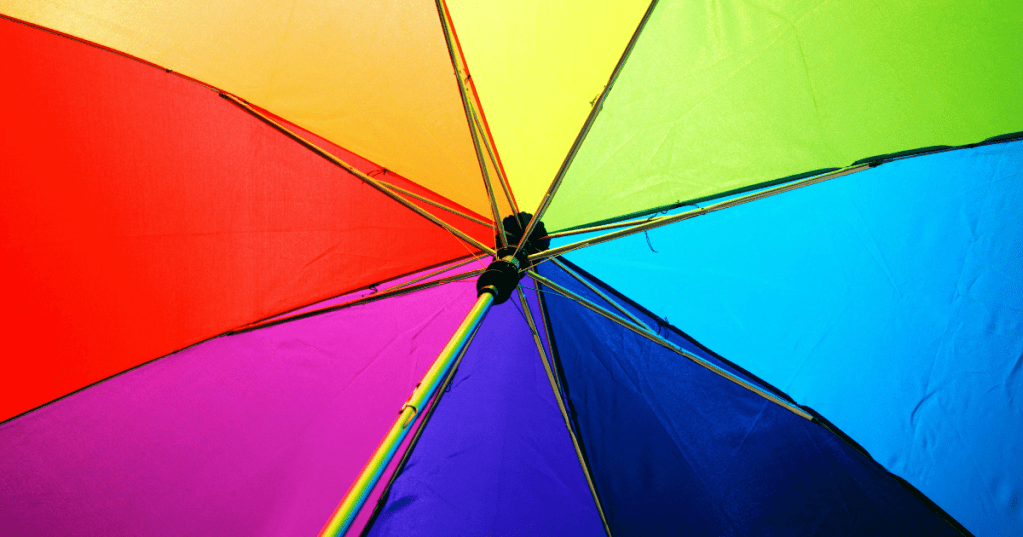
To better understand how to blend colors it is recommended to understand a color wheel. A color wheel is a visual aid that shows a relationship between colors by hue and the visual spectrum.
Primary colors are the foundation of the color spectrum. They do not need to undergo any mixing procedure to be created.
Primary colors: Red, yellow, and blue.

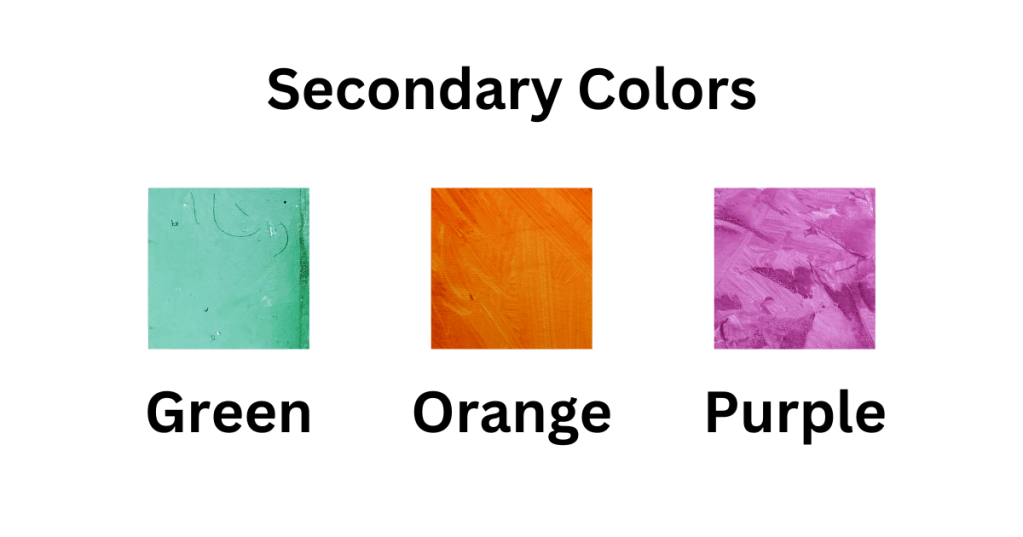
Secondary colors are created from the mixture of any two primary colors.
Secondary colors: Green, orange, and purple
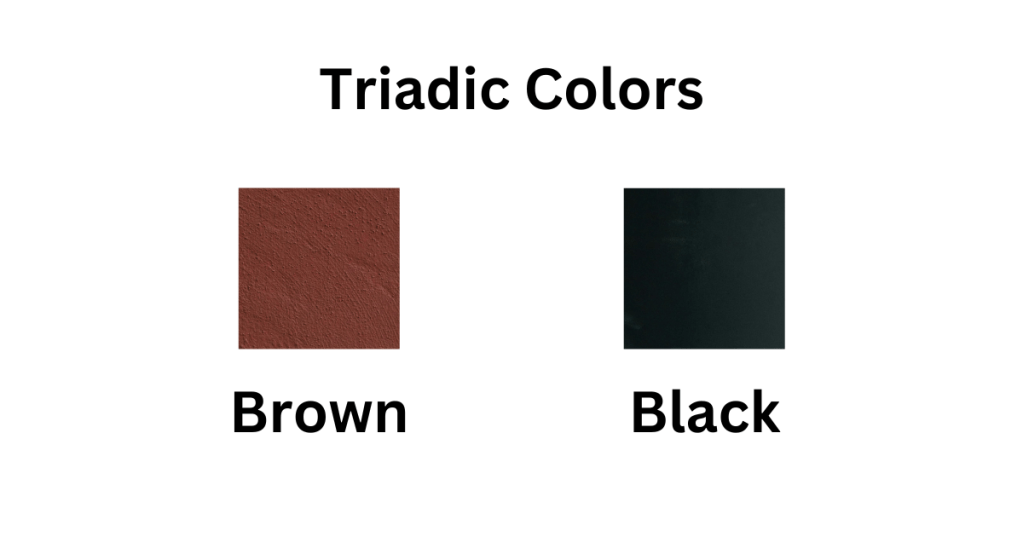
Triadic colors are the use of 3 or more evenly mixed colors. Typically, there is one dominant color and two supporting blends to make a desired result.
Triadic colors: Brown and black
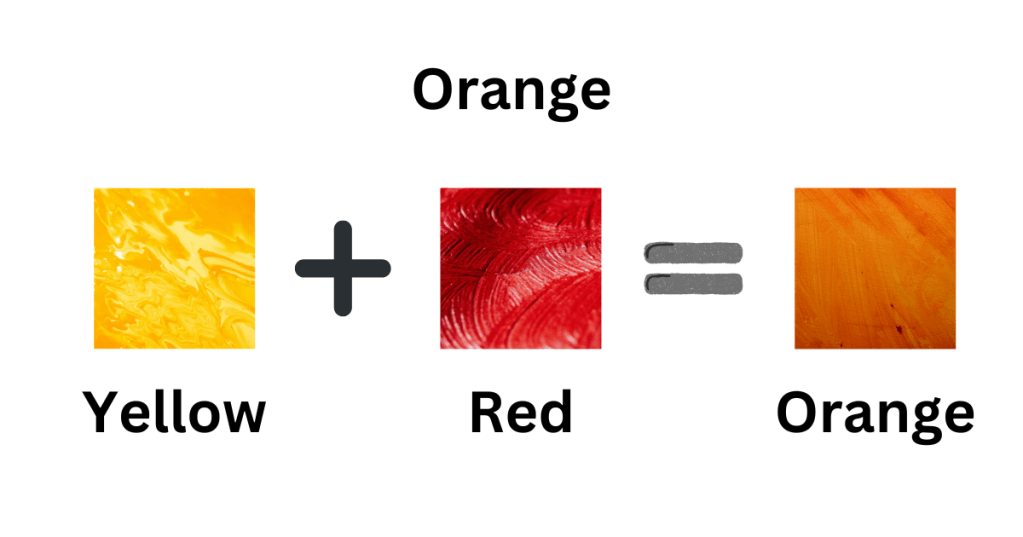
Yellow and red
The dominant color is yellow.
Pink
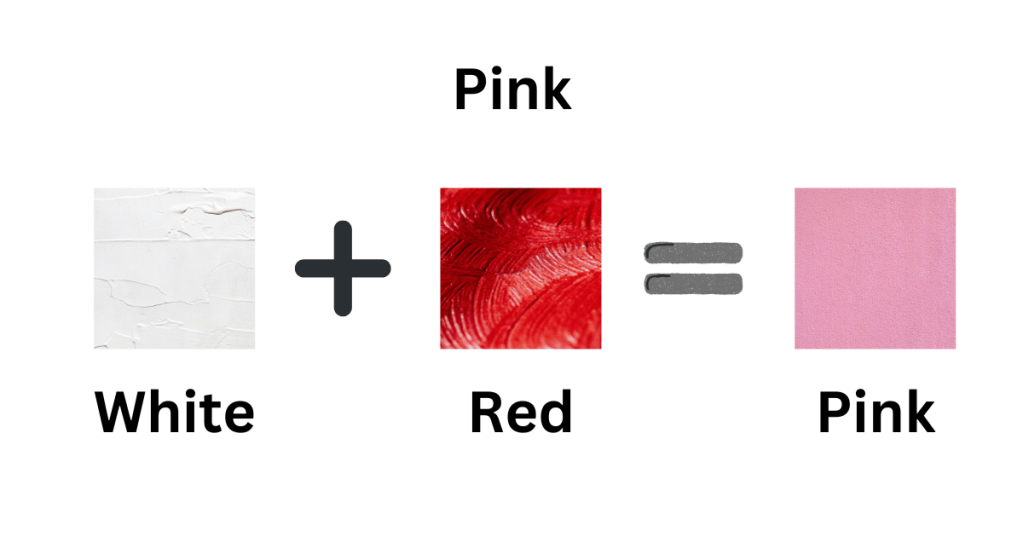
Red and white
The dominant color is white.
Green
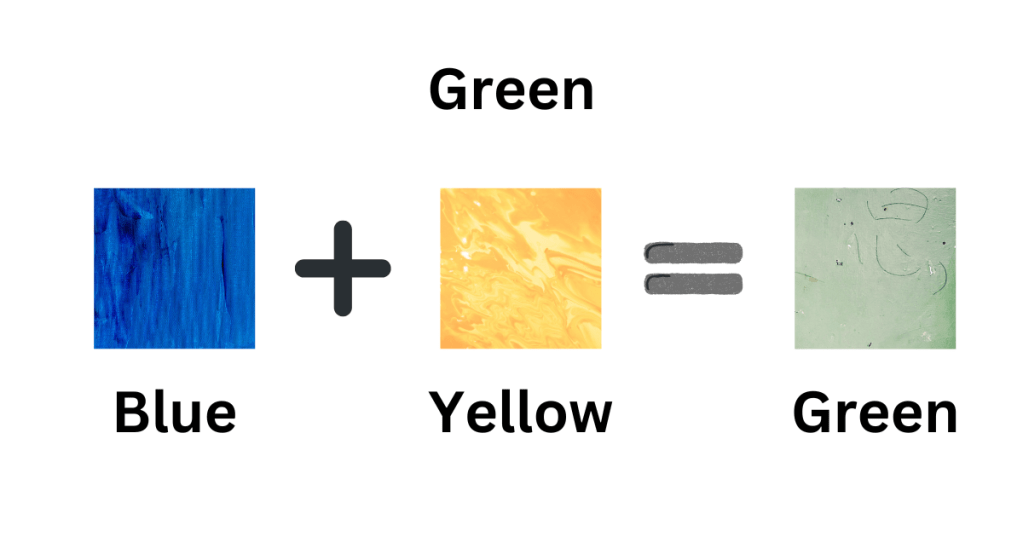
Blue and yellow
The dominant color is blue.
Grey

Black and white
The dominant color is black.
Purple

Red and Blue
The dominant color is Red.
Brown
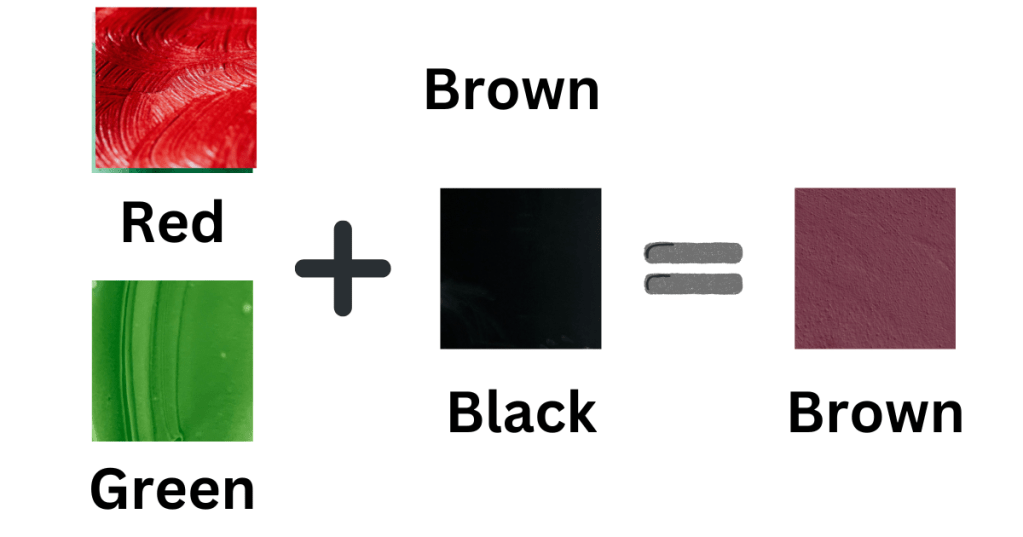
Red, green and black
The dominant color is Red.
Black
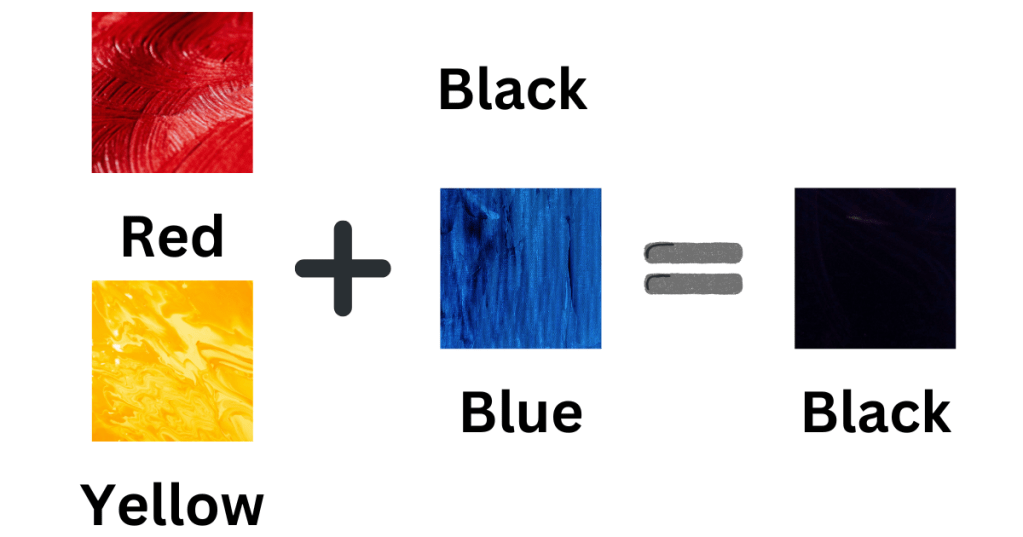
Red, yellow and blue
The dominant color is blue.
In an upcoming blog, I will discuss how to mix more advanced colors. Study this cheat sheet and start creating today!


 A Shade of Art
Leave a comment