
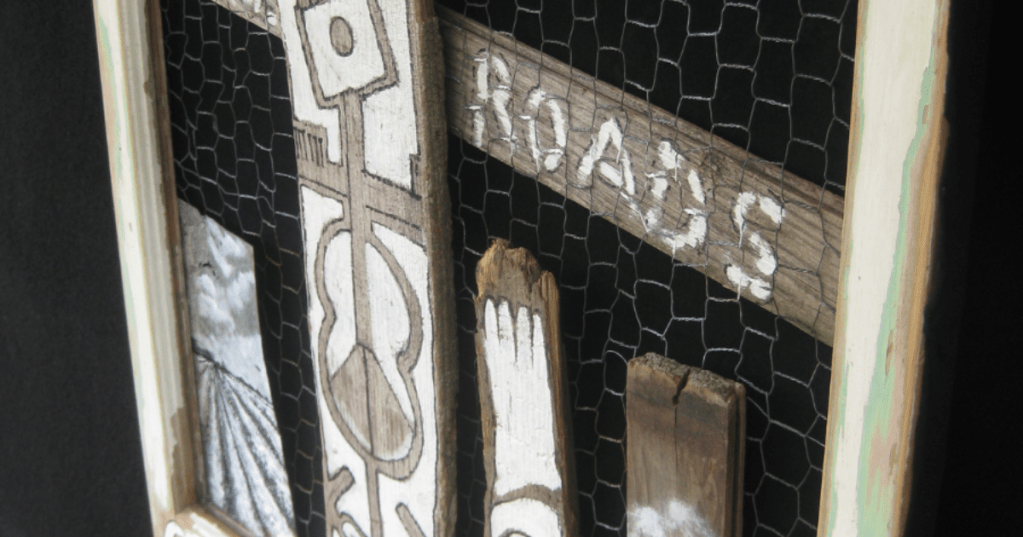
Congratulations. You have decided to tackle the task of creating art for a living! In little to no time, you should have a portfolio that deserves a slot in the local art galleries and museums. Any financial woes you may encounter will be almost non-existent as art enthusiasts all over the world will recognize your craft and praise your work!
But before we get there, we need to start mapping out your signature style.
In this blog, I will cover 12 common art ideas for painters who enjoy using acrylic and oil-based paint.
Pour Paint (Difficulty: Beginner)

Pour painting involves a mixture of acrylic paint, water and isopropyl alcohol. The main objective is to pour the mixture indiscriminately across a canvas and allow the colors to mend together creating a marble-like or speckled effect.
Color shift drip art (Difficulty: Beginner)
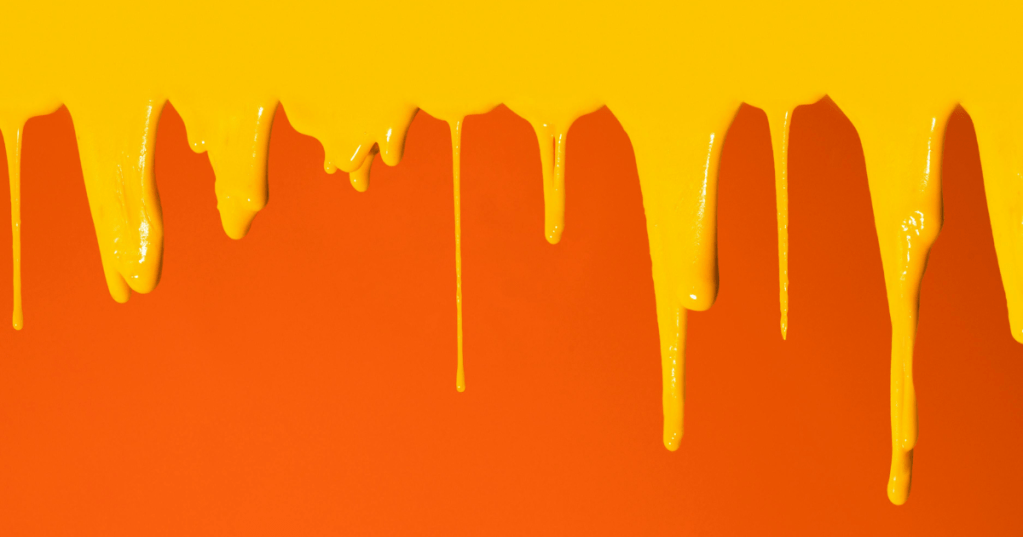
Color Shift drip art can be considered a variation of pour painting, but in this medium. The creating process is a bit more abstract in context. Pour painting doesn’t require any rules whereas color shifting requires you to paint the top half of the canvas with one solid color with the bottom half painted an opposite contrasting color.
The final step is to load up your brush with water and add a third color of paint. You can hold up your piece vertically and press your brush lightly at the top of the canvas allowing the paint to drip down.
Dot painting (Difficulty: Intermediate)
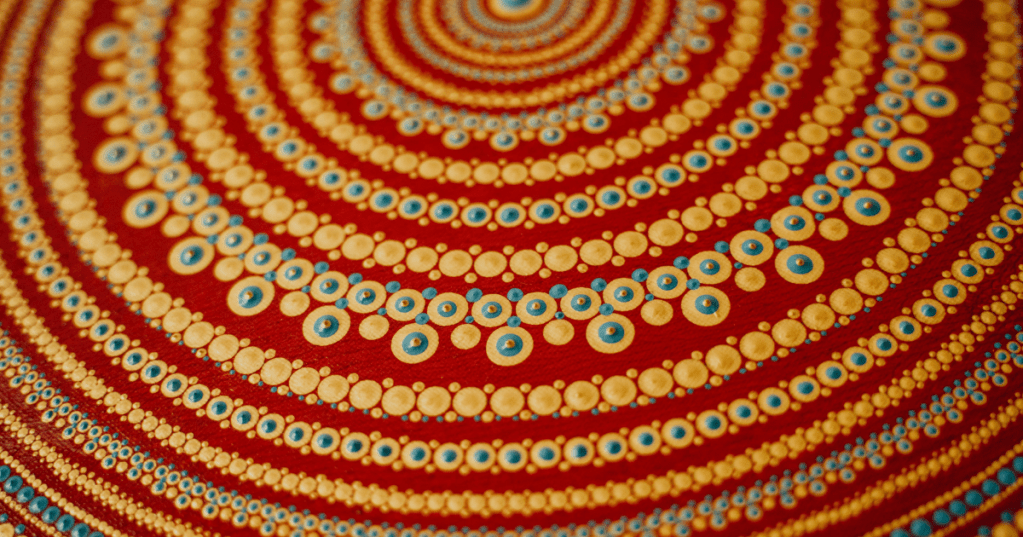
Dot painting is commonly created on wood, glass, or paper. This medium uses a patterned technique of small dots of color to form a subject or image.
Personal Note: This technique I learned while I was in college, and it requires a skill set in distinguishing background, middle ground and foreground to create a detail subject like a face.
Silhouettes (Difficulty: Intermediate)
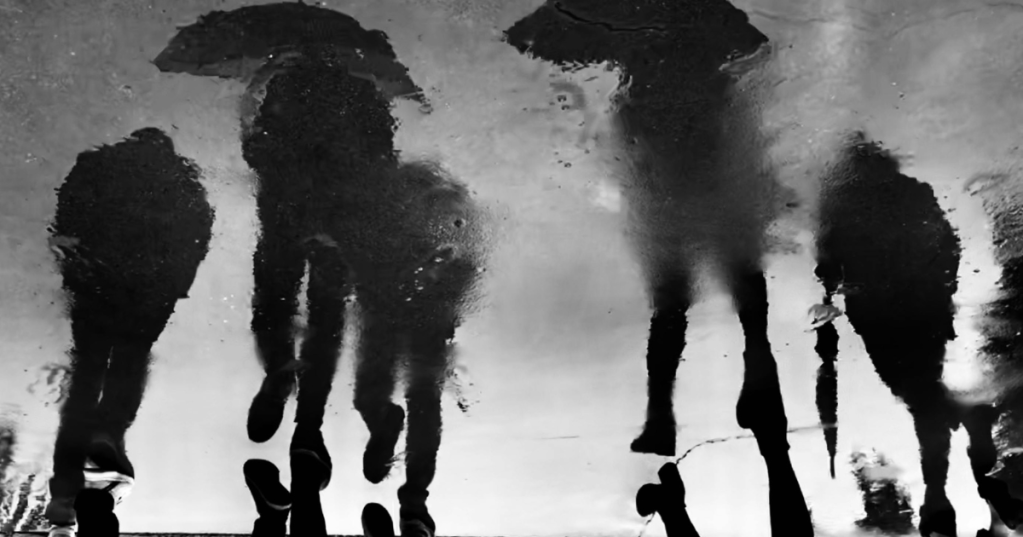
This technique is often used in advertising and product design. Silhouettes use a visual effect that incorporates a solid black image that is painted or drawn on an all-white contrasting background. You can also reverse polarity (white on black).
Scrape art (Difficulty: Intermediate)

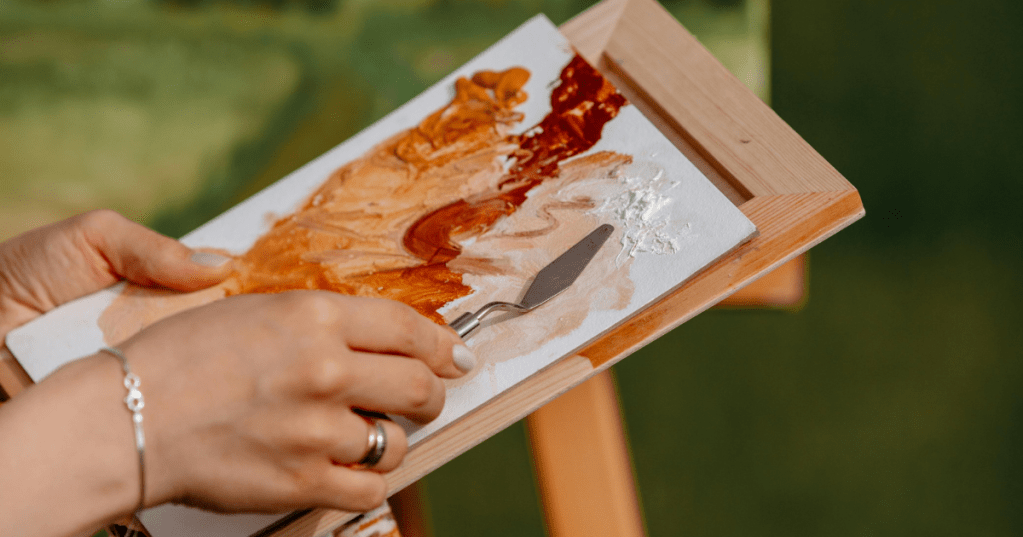
Scrape art works well with oil paint and some techniques in watercolor. This medium is primarily used to create mountains, skies and landscapes. A palette knife works well with oil or acrylics, which can be applied to the canvas and mold into the desired effect.
Personal note: I use this technique to create a fine blade of grass in the picture above I call this “Wash Day”.
Nature art (Difficulty: Intermediate)
Nature art can be a great conduit of storytelling and it can be very therapeutic.
Here are a few ideas you might want to try to create.
A forest
A waterfall
A hiking Trail
The clouds in the sky
A flock of birds
A garden of flowers
A field of grass
A winter landscape
Personal note: I spent a great length of my time in Chicago and those winter months can be brutal, but remembering how the snow covered the open streets and other elements in the busy city always made me a bit sentimental.
Mountain Landscapes (Difficulty: Intermediate)

Mountain landscape art is the staple of traditional and contemporary art. It should be implemented in every artist’s repertoire.
City landscape art (Difficulty: Intermediate)

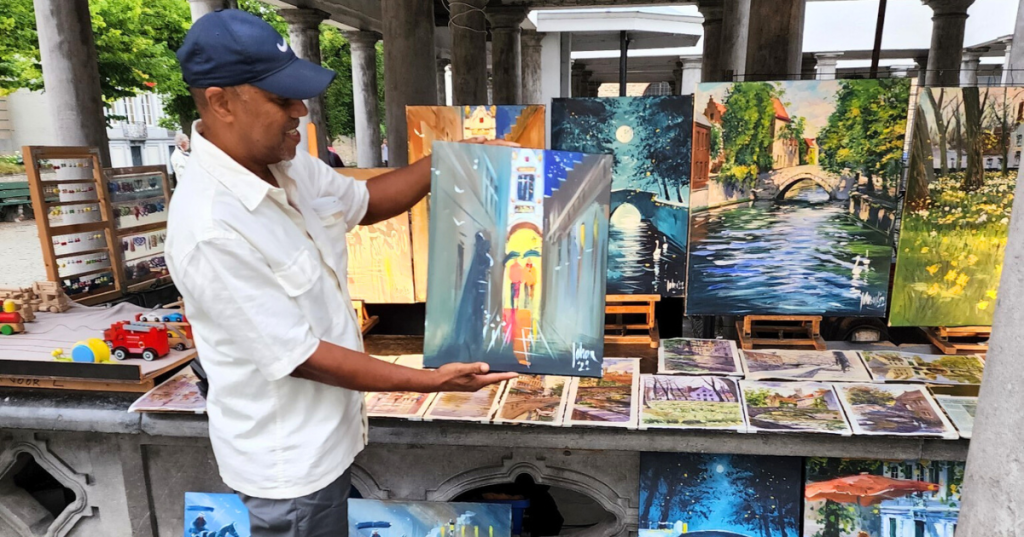
City landscape art depicts an urban environment, which includes local street traffic, architectural landmarks, and skylines. A nice aerial view can be a great alternative if you decide not to create a street-level view art piece.
Here are some extra examples to add:
A sky view angle
With rain flurries
At night
Texture art (Difficulty: Intermediate)

Texture art can be referred to elevated physical detail of artwork. Another way to think of it is 3-dimensional art with a series of grooves and bumps to create a piece of artwork.
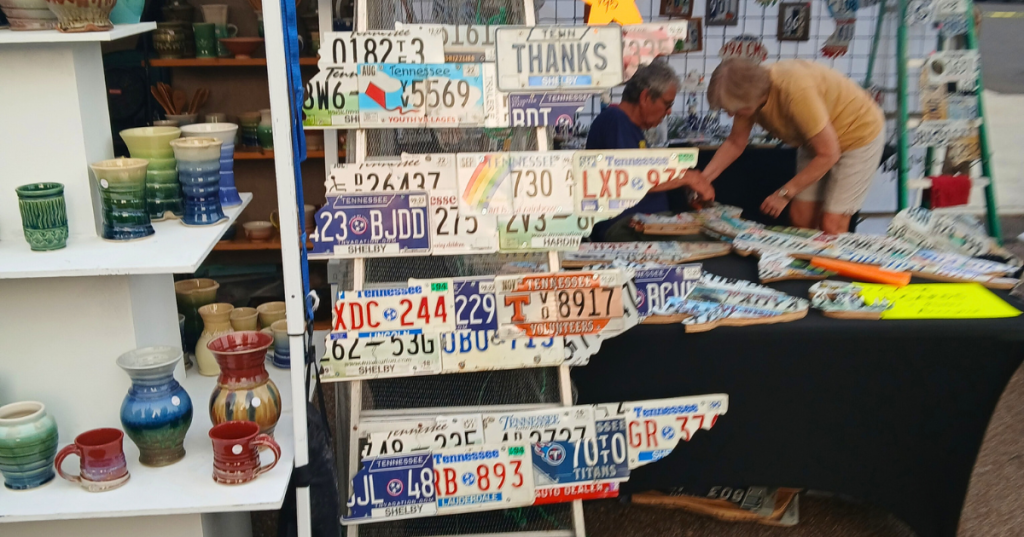
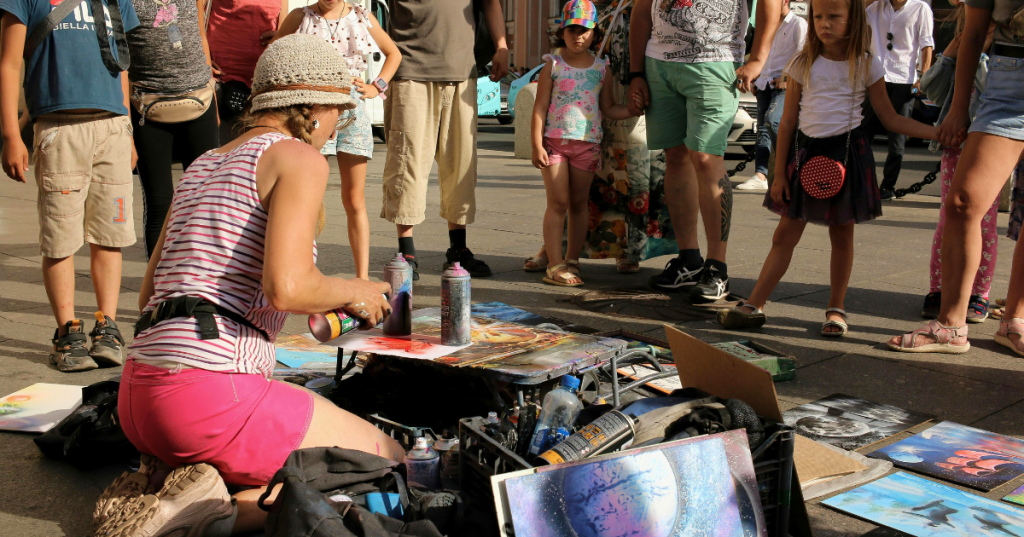
Personal note: People often walk up to my art booth at an art & craft show and ask me, “How did I create my work?” And I would answer them that it is a combination of mixed medium crafts such as glass, wood, metal, acrylic paint and watercolor.
Paper Mache (Difficulty: Intermediate)
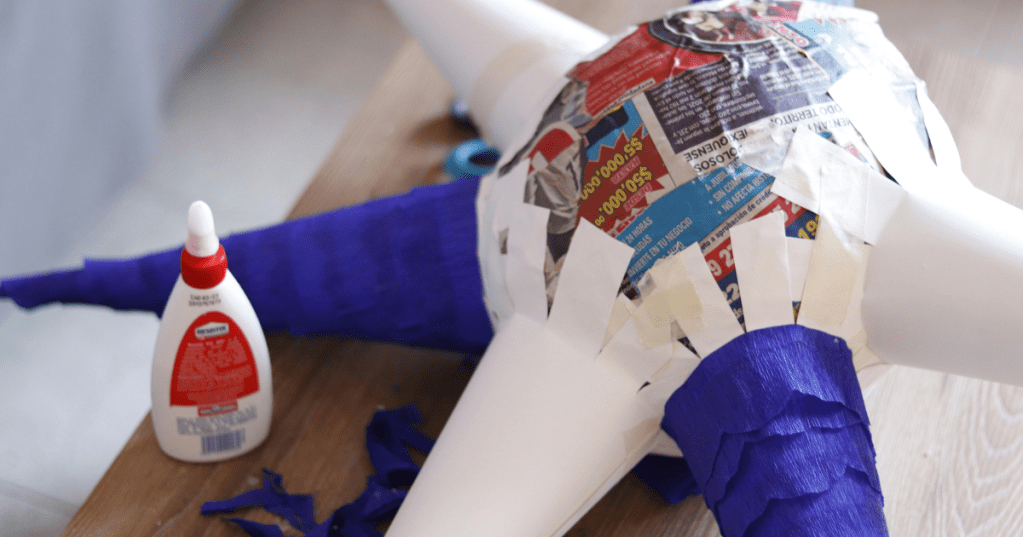
Paper Mache is a process that involves layering moistened paper on a dry surface. Once the material dries and hardens, you can paint and decorate your project.
Abstract art (Difficulty: Advanced)

Abstract art does not follow the norm of traditional art styles or techniques. Originality is key here, but I do believe art is self-expression and I am inspired by emotion and what I feel at the moment, not what is socially acceptable.
Personal note: Abstract art does not have any boundaries, but it does create a conversation. If you put a concept together and it grabs someone’s attention, rather it is good or bad, it can be considered as art.
Metallic art (Difficulty: Advance)
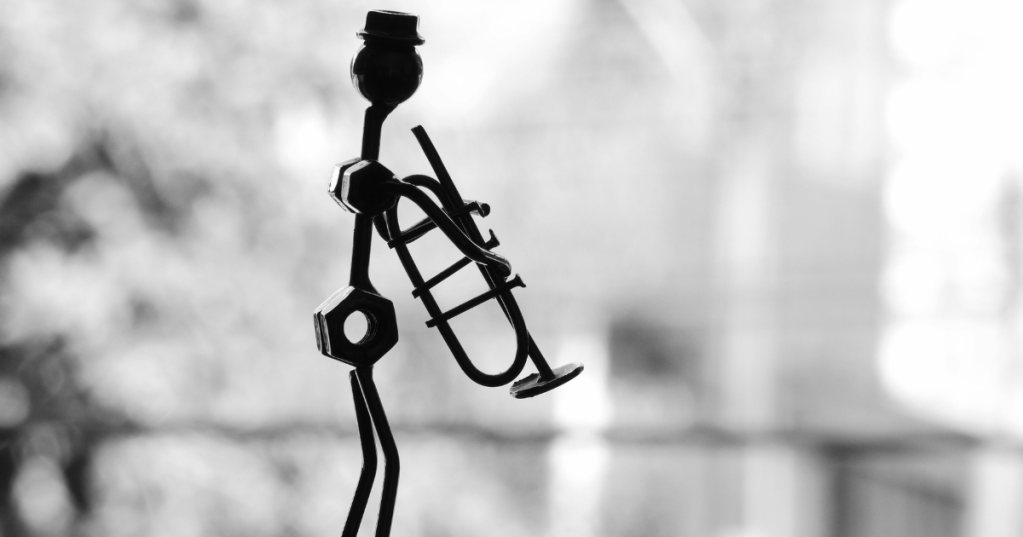
Many artists referred to this medium as metalwork or metal sculpture. I do incorporate metal tin with my artwork, but I used it as layered texture to enhance my work, not as my feature craft.
Personal note: Please keep in mind, metallic art does require specific training and a bit of knowledge in melting.
The ideas can be limitless, but these 12 ideas are reliable and very common use in the art world. You are encouraged to try a variation of these crafts on your own and see what works best for you.
Start creating now!
 A Shade of Art
Leave a comment