
Producing quality artwork may take years to master, but what a master craftsman and an inspiring student can share is their familiarity with the tools they can use to create their artwork. Of course, the quality and material for art supplies will vary according to price and the manufacturer, but in this blog, I will discuss the basic items you need to get started.
What do you need?
- colored pencil
- Sketch Book
- Kneaded eraser
- Paintbrush
- Watercolor kits
- Crayon
- marker
- canvas
- Easel
- Palette
Colored Pencils
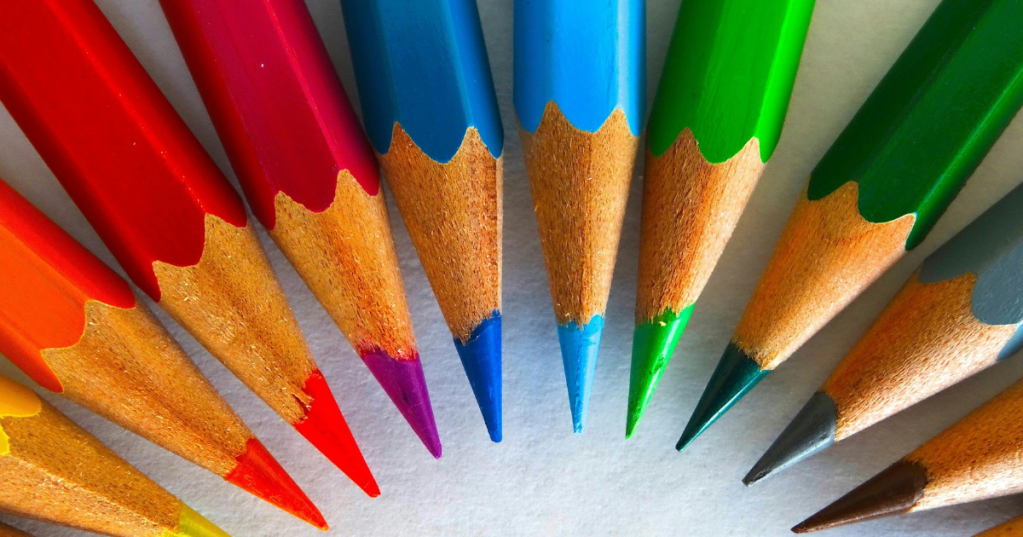
Color pencils are beginner-friendly, and they are a great place to start to build up your supply inventory. However, not all colored pencils are created equal, and here are some of their pitfalls:
The cons:
- Difficulty to use when creating over a large canvas.
- They are not easily erasable and may damage the paper.
- They do not work well with most oils-based mediums.
The pros:
- Readily available to use to sketch down ideas.
- Not expensive to buy if you have a budget.
- Can add depth to the background when mixed with water or water-based solutions.
What type of colored pencils should I use?
- Wax-based color pencils
- These pencils are easier to erase, and they have a much larger selection to choose from in a variety of sizes, shapes, and colors.
- They are easily found in your local general goods stores, and they are the cheapest type of color pencils to buy.
- However, their outer casing and its pigmentation do not spread well across the paper as well as oil and water-based color pencils.
- Water-based colored pencils
- These types of pencils are soluble in water, so they are very useful for shading and adding more depth to the foreground and the background of your finished pieces.
- They are the preferred choice for crafting sharp edges and added detail that you cannot get from paints.
- Unfortunately, you must buy a specific type of paper that can absorb and withstand without damage, which is why these types of pencils are a bit expensive.
- Oil-based colored pencils
- Oil-based pencils are more durable, and they experience less breakage with the final product. It is also possible to add layers without smudging, unlike the common issues wax and water-based pencils tend to have.
- They can be easily found in your general art goods stores, but they are the most expensive type of color pencils to buy.
- Even though these pencils are very durable, they are also the most difficult to erase. So it is recommended not to use them until you are ready to lay down the final touches of your art piece.
Crayons
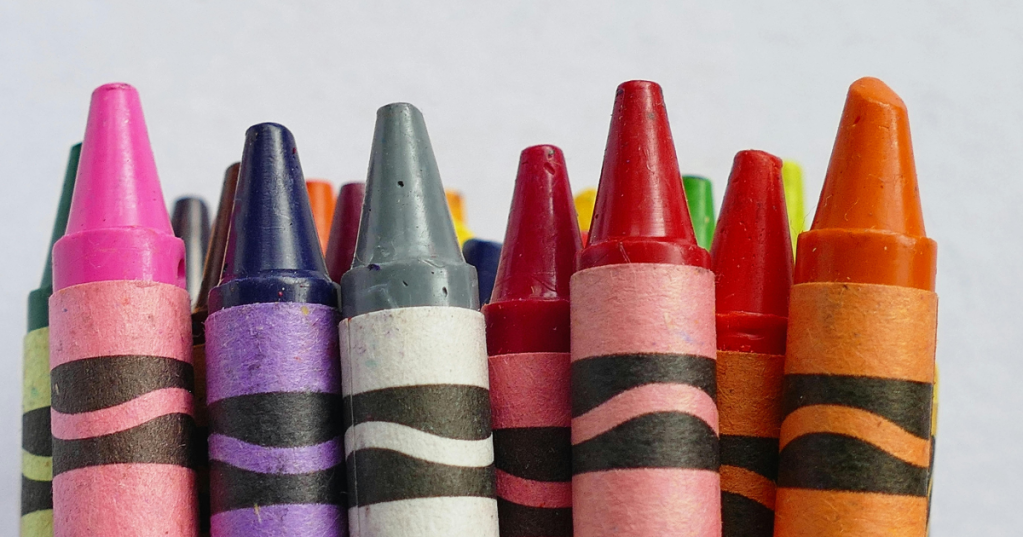
When people refer to using crayons for creating art, the average observer may think that crayons are only reserved for little children in classrooms drawing houses with a loving stick-figured- family posing in the front yard. However, crayons, if used correctly, can bring a lot of versatility to your craft.
The pros:
- It is a water-medium resistant so it can be applied to watercolor projects.
- They are inexpensive.
- Great for sketching micro details like the hair of an animal.
The cons:
- They do not work well with most oils-based mediums.
- They tend to break very easily.
- The thick wax pigments may make it difficult to work with over some canvases.
What type of crayons should I use?
- Coloring crayon
- This type of crayon is commonly used by schoolchildren, but they are easy to work with when applied to the beginning sketches of your artwork.
- Chalk crayon
- Chalk crayons are not as commonly used as coloring crayons, but there is a good use for them. I use them for wood-medium projects. It doesn’t work with water-based mediums, but these crayons are very easy to erase.
- They are also good for layering and covering large areas quickly such as foregrounds and backgrounds.
- Another good use of chalk crayon is for portraits such as black and white with smudging and facial definition by adding shading.
Kneaded eraser
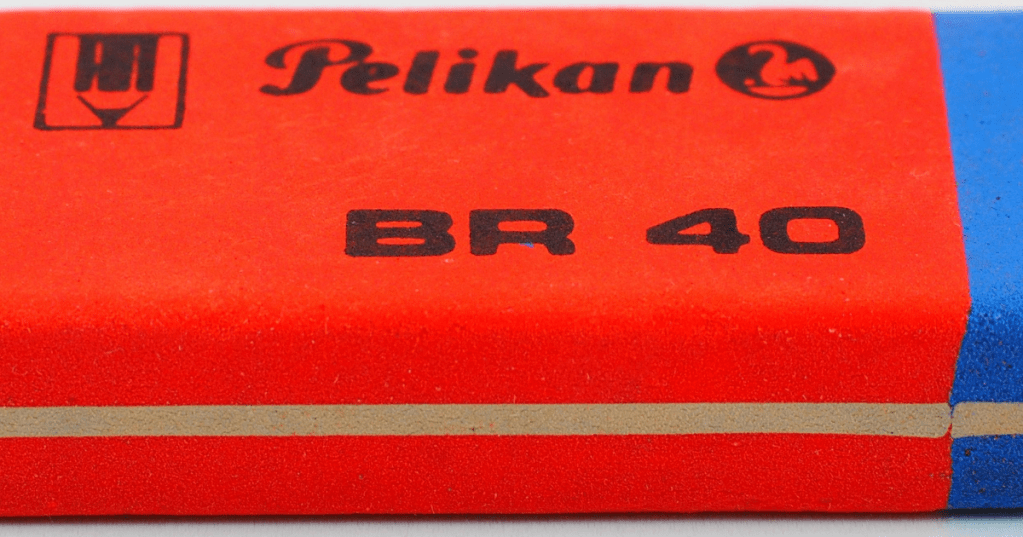
A kneaded eraser is not a typical number 2 eraser because they are more malleable in the world of arts and crafts. Here are several mediums commonly used with kneaded erasers:
Work well on these surfaces
- Most common paper
- Fabric
- Cloth
- leather
Work well against these mediums
- Chalk
- Pastel
- Wax (colored pencils)
- Charcoal
- Graphite
- Acrylic paint
Doesn’t work well against these mediums
- Oil-based medium
- Watercolor
- Markers
- Ink
- Crayons
Marker

Markers can be quite useful because it provides an artist with the ability to create in detail and precision. The right kind of marker is also a medium that is very easy to use, dries quickly, and is very beginner-friendly. Here are a couple of surfaces markers work well on:
Work well on these surfaces
- Wood
- Cotton
- Leather
- Plywood
- Cedar
- Resin
- Acrylic
- Veneer
Work well against these mediums
- Acrylic paint
- Oil medium
Doesn’t work well against theses mediums
- Plastic
- Metal
- Water based mediums
Alcohol markers
- Alcohol markers are the industry standard because they dry fast, do not leave a smudge, and mix well with most mediums. They may vary in price, but they are easily accessible in your local general goods or art store.
- The only problem is that they are permanent, so it is recommended to sketch your draft ideas with a pencil on the canvas first, then add your final touches later.
- I prefer to use white acrylic paint to cover a mistake left by a marker or to sharpen up a smudge area.
- Water-based markers
- These types of markers are ideal for coloring books, for they do not bleed through the paper and do not have a tendency to be permanent on most surfaces. They do cost a little more than their alcohol-based counterparts, but they can be useful.
- For example, they do not dry as fast so you can smear across your background adding a bit of depth to your art projects.
- Acrylic paint markers
- Paint markers are a bit more advanced, but they can add options to your repertoire. Acrylic markers can work on more stubborn surfaces like glass, plastic, rubber and metal.
Added note: I like to use polyurethane to seal in the ink because the marker pigmentation will eventually fade over time. I also use a turbine, which can be applied to remove any mistakes.
Sketch Book
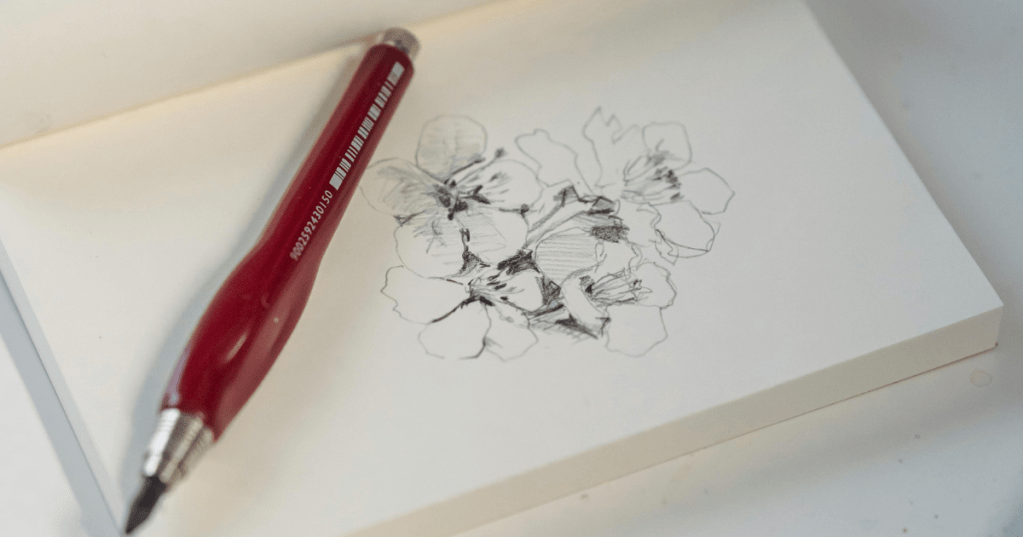
A sketchbook is a key guide for helping artists to discover and develop their creative ideas. Sketchbooks come vary in quality and size, but they all work well with markers, colored pencils, and charcoal. So let’s cover the differences.
Sketchbooks
- Sketchbooks are beginner-friendly because they fit well with a low budget. The paper quality is cheaper, but I often use them to jot down notes, art ideas, and personal thoughts that I might want to add later as a backstory to a piece.
Drawing books
- Drawing books are thicker in texture, which is ideal for ink, acrylic and water-based mediums. These books should be used when you have a polished idea and want to establish a preliminary drawing.
Common sizes
- 8.5 x 11
- Great for portraits
- 11 x 14
- Good for landscaping drawing
- 9 x 12
- Great for both
Paintbrush

Creating art composed of visualization and applying the right equipment to translate your idea from thought to canvas. Paint brushes are a step up from pencils and crayons and it is important to understand it’s not a ‘one tool fits all’. Brushes with thick bristles are commonly used for background and shadows and thin bristles are good for sharpening an image and detail.
Every paintbrush tool has a specific purpose and here are the general guidelines:
Filbert brush
- These brushes are oval shape and they are ideal for blending paints. Artists generally use them for floral and nature work.
- Round Brush
- A round brush is self-explain and they are ideal for architectural and structural drawings. Straight lines and cover spaces.
- Fan Brush
- Fan brushes are great for blurring a background like grass or a ripple in an ocean. Nature painting suits well when using these types of brushes.
- Angled brush
- I like to use this brush for detail work and to paint in small areas. Angled brushes are also commonly used for making thin lines and creating shapes.
- Liner Brush
- This is another detail brush and should be used sparingly. I enjoy using this brush to add depth when creating hair frolics of a subject or discrepancy light and shadows in a corner area.
Watercolor tubes or pans

There is a common debate to go with watercolor tubes or pans. Which is better or which provides better quality? Well, from my experience they are about the same, but the key difference is that the drying process is quite easier with pans. However, the watercolor tubes do provide richness and better enhancement in quality.
The good news is that they are both inexpensive and beginner-friendly to use right away. It all comes down to preference and I recommend trying both to see what you like.
Palette

The key to becoming a good artist is understanding how to blend colors. Of course, mixing colors is a bit advanced for this blog, but a good palette, which is a flat wooden board or surface, can be found in most arts & and crafts stores for a very reasonable price.
Easel
An easel is a basic frame set up for holding a canvas in place while painting. It is not a requirement as a beginner and you can still get a lot done without one, but the extra availability of arm movement while creating your work is the reason why I place it on the list.
I will not go into deep detail about the different assortments of easels in this blog, but here is a very basic run down to what to choose from.
- A-Frame easels are ideal for people who are working in a small studio or a limited workspace.
- H frame easels are good for working on large canvases such as 20 x 15 or larger.
- Hybrid easels can convert from an easel to a tabletop which can work for multiple mediums. Oil painters may need an easel upright, but watercolor may need a flat surface.
Canvas

The last item on the list is the most recognizable one. A Canvas. An absolute young beginner believes that buying a Canva is a necessity. I understand you have a paintbrush, and you need to paint on something, but I recommend you invest in a drawing book first until you feel you are ready to purchase a canvas to complete a piece for a public display or possibly to sell it online. Canvases can be expensive, so why not make it easier on your bank account?
Of course, not all canvases are created equal and the material will vary. Here’s a good guideline to keep in mind when purchasing one:
- Cotton canvas is good for oil painting.
- Linen canvas can work well for watercolor.
- Synthetic blend can work for all types.
- Duck canvas can work well with acrylic.
 A Shade of Art
Leave a comment